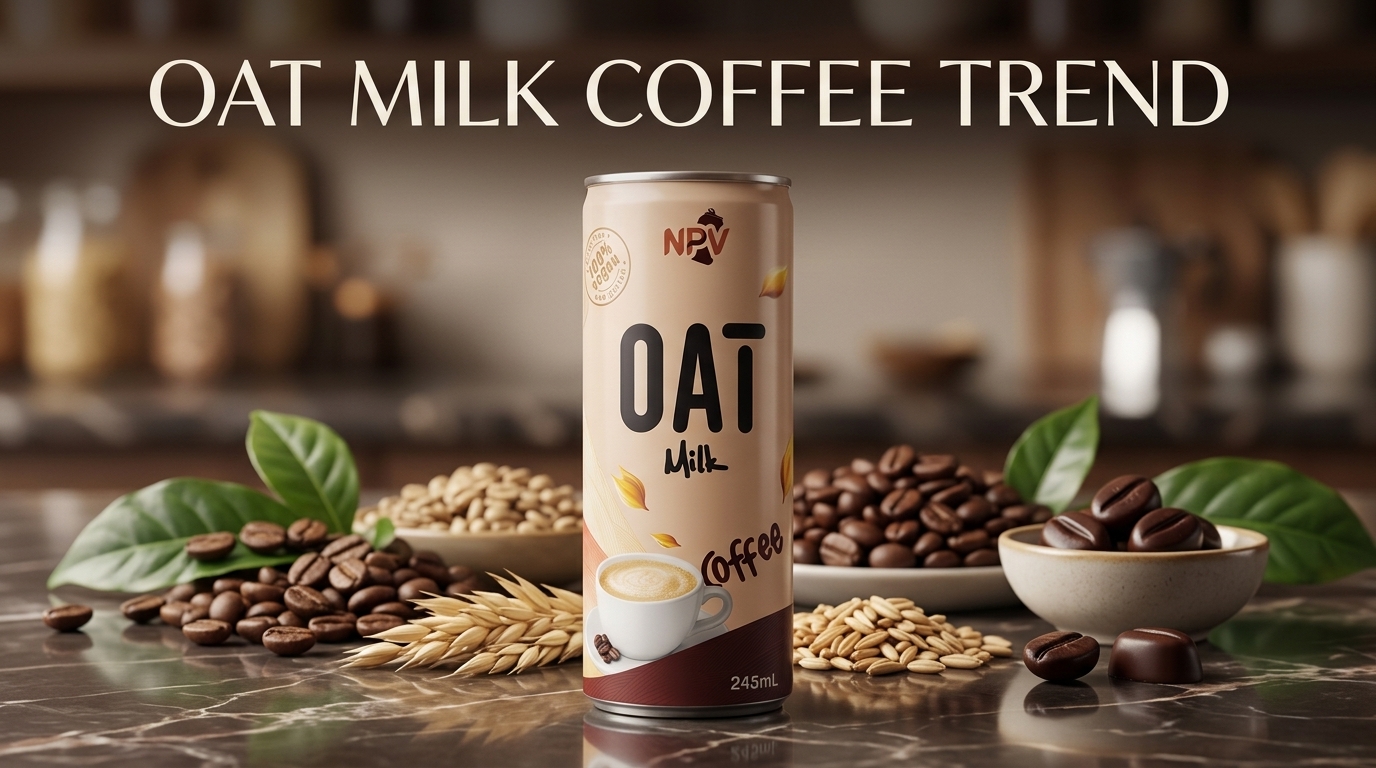
The global beverage industry is undergoing a significant transformation, driven by shifting consumer preferences toward plant-based and sustainable options. Among the most notable trends is the rapid rise of oat milk as a preferred dairy alternative, particularly in the ready-to-drink coffee segment. For US importers and distributors, the plant-based coffee beverage wholesale market presents a compelling opportunity. This article analyzes the factors driving this trend, the specific opportunities in the US market, and how products like the Plant Based 100% Vegan OAT Milk Coffee Drink 250ml Cans from Vietnam are positioned to meet this demand. We will explore market dynamics, sourcing considerations, and the strategic advantages of partnering with certified manufacturers.
Key Takeaways
- The US plant-based coffee beverage wholesale market is expanding rapidly due to consumer demand for dairy-free, sustainable options.
- Oat milk coffee drinks offer a superior taste and texture profile compared to other plant-based alternatives, driving repeat purchases.
- Sourcing from Vietnam provides cost advantages, flexible OEM/ODM services, and access to high-quality, certified production facilities.
- Importers should prioritize certifications like HACCP, HALAL, ISO, and FSSC to ensure product safety and market access.
- Private label opportunities allow distributors to build brand equity in the competitive RTD coffee segment.
The US Market Opportunity for Oat Milk Coffee
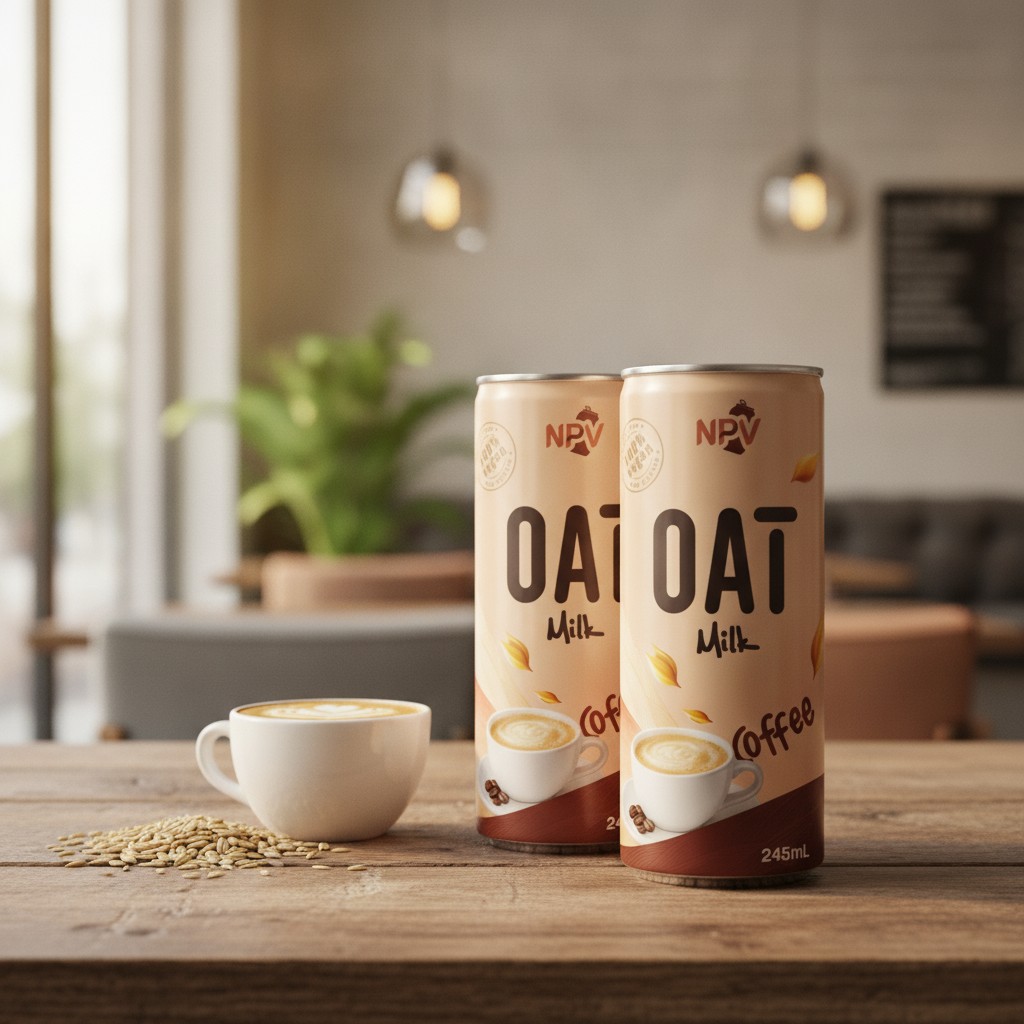
The United States represents the largest market for plant-based beverages globally, with oat milk emerging as a dominant category. According to industry reports, oat milk sales have consistently grown by double digits annually, driven by its creamy texture and neutral taste that complements coffee perfectly. For US importers, the vegan coffee drink bulk segment offers a strategic entry point into a high-growth niche. Consumers are increasingly seeking convenient, on-the-go options that align with their ethical and dietary preferences. The 250ml can format is ideal for retail shelves, vending machines, and foodservice channels, providing versatility for different distribution models.
Consumer Demand for Dairy-Free Alternatives
The shift away from traditional dairy is no longer a fringe movement. Lactose intolerance, environmental concerns, and health consciousness are mainstream drivers. Oat milk, in particular, has gained popularity because it froths well, has a mild flavor, and is perceived as more sustainable than almond or soy milk. This has created a robust demand for canned coffee drink for distributors who can offer a product that meets these criteria without compromising on taste. The ready-to-drink coffee category itself is growing, and adding a plant-based twist amplifies its appeal.
Why Oat Milk Coffee Stands Out Among Plant-Based Options
Not all plant-based milks are created equal when it comes to coffee. Almond milk can separate, soy milk may curdle, and coconut milk can overpower the coffee flavor. Oat milk, however, provides a naturally sweet and creamy base that enhances the coffee experience. For B2B buyers, this means higher consumer satisfaction and repeat purchases. The private label oat milk coffee segment is particularly attractive because it allows distributors to differentiate their brand in a crowded market. By offering a superior product, importers can command premium pricing and build long-term customer loyalty.
Technical Specifications and Product Integrity
From a sourcing perspective, the technical details of the product are critical. The Plant Based 100% Vegan OAT Milk Coffee Drink 250ml Cans features a 12-month shelf life, ambient storage requirements, and recyclable aluminum packaging. These specifications are ideal for global logistics, reducing the risk of spoilage and simplifying inventory management. The product is also certified with HACCP, HALAL, ISO, FSSC, and GMP, ensuring compliance with US FDA regulations and retailer requirements. For importers, these certifications are non-negotiable for gaining shelf space in major chains.
Sourcing from Vietnam: A Strategic Advantage
Vietnam has emerged as a major hub for beverage manufacturing, offering competitive pricing without sacrificing quality. The country’s strong agricultural base, particularly for coffee and oats, provides a reliable supply chain. Manufacturers like NPV Beverage, established in 2019, operate modern facilities with over 50 production lines and a monthly capacity of 1,200 containers. This scale allows them to offer flexible MOQs and consistent quality for bulk orders. For US importers, sourcing a plant-based coffee beverage wholesale product from Vietnam can reduce landed costs compared to European or North American alternatives.
OEM/ODM Capabilities and Customization
One of the key advantages of working with Vietnamese manufacturers is the flexibility in OEM and ODM services. Importers can customize packaging, branding, and even the formula to suit local taste preferences. For example, a US distributor might request a slightly sweeter profile or a different can design to appeal to American consumers. This level of customization is essential for building a strong brand presence. The vegan coffee drink bulk market is competitive, and unique branding can be a significant differentiator.
Logistics and Regulatory Compliance for US Importers
Importing beverages into the United States requires careful attention to regulatory compliance. The FDA mandates strict labeling requirements, including ingredient lists, nutritional facts, and allergen declarations. Products must also meet food safety standards, which is why certifications like FSSC and HACCP are crucial. Vietnamese manufacturers with these certifications have already aligned their processes with international standards, simplifying the import process. Additionally, the 250ml can size is standard for US retail, and the shelf-stable nature of the product reduces the need for cold chain logistics, lowering shipping costs.
Market Entry Strategies for Distributors
For distributors entering the US canned coffee drink for distributors market, a phased approach is recommended. Start by targeting specialty grocery stores, health food retailers, and coffee shops that already cater to plant-based consumers. Online channels like Amazon and direct-to-consumer platforms also offer low-barrier entry points. As demand grows, expand into mainstream supermarkets and club stores. The key is to emphasize the product’s vegan, sustainable, and premium attributes in marketing materials.
Competitive Landscape and Differentiation
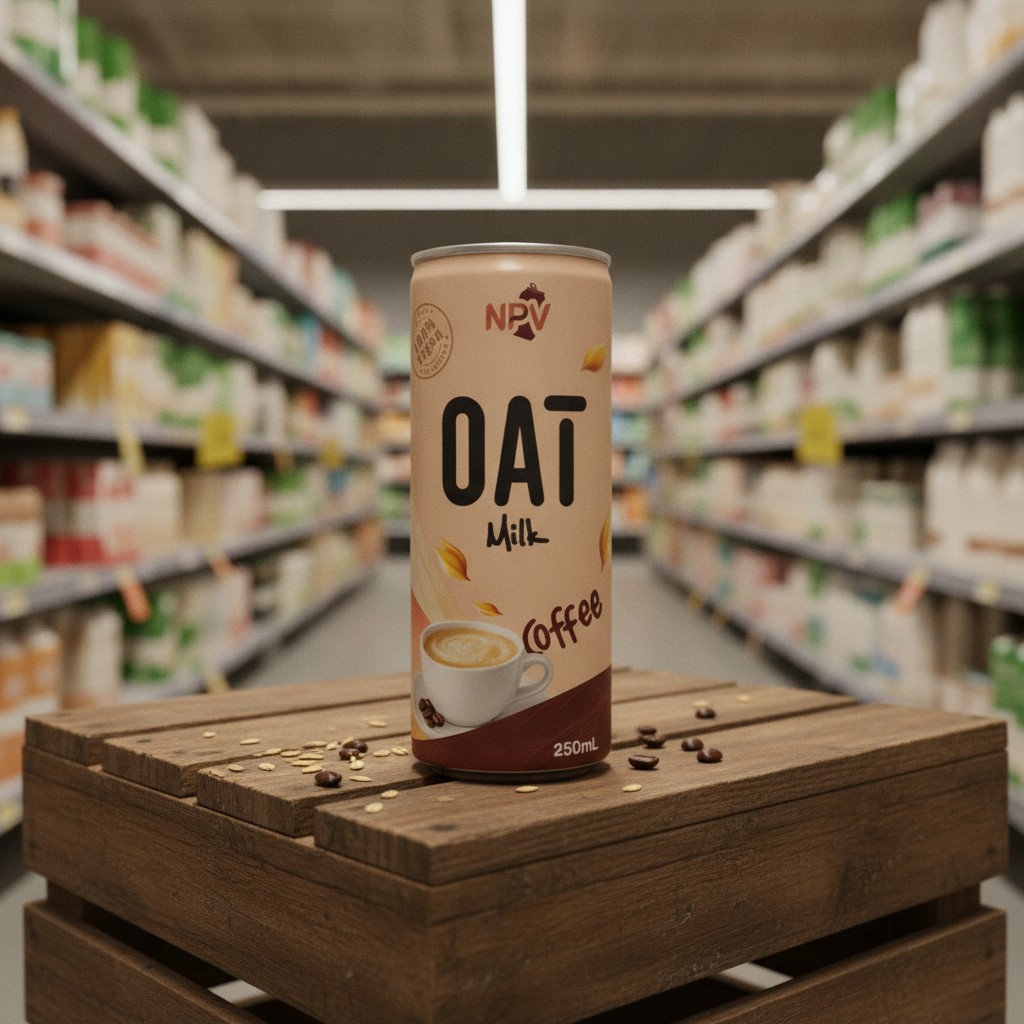
The US market already has established players like Califia Farms, Oatly, and Chobani in the oat milk coffee space. However, there is still room for new entrants, especially those offering unique value propositions. Importers can differentiate by focusing on the “100% vegan” claim, which appeals to a niche but growing segment of strict vegans and environmentally conscious consumers. Additionally, sourcing from Vietnam allows for competitive pricing, which can be passed on to retailers and consumers. The private label oat milk coffee route is particularly effective for building a unique brand identity without competing directly on brand recognition.
Consumer Insights: Taste and Texture
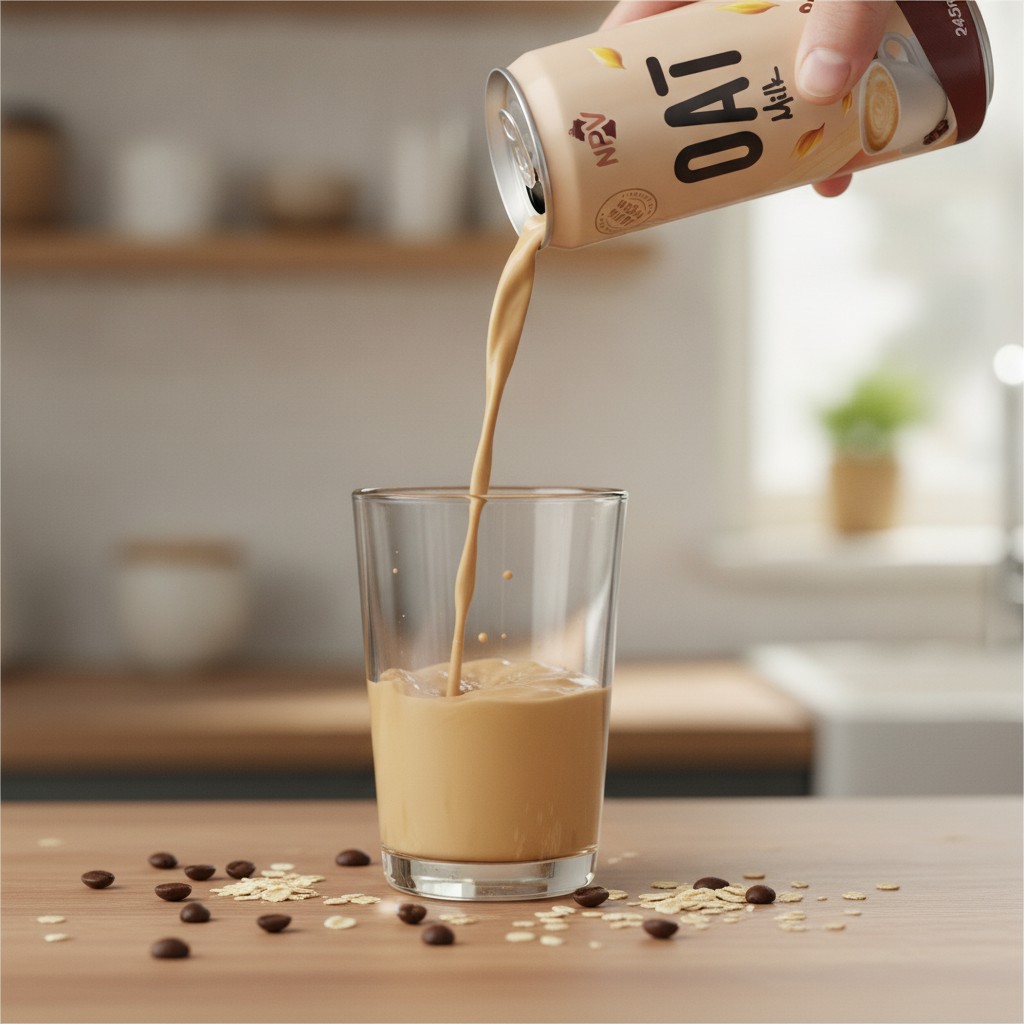
Taste remains the number one factor for repeat purchases in the coffee category. The combination of Arabica coffee and oat milk creates a balanced, smooth flavor profile that appeals to both coffee purists and plant-based newcomers. The 250ml can is perfectly portioned for a single serving, reducing waste and aligning with on-the-go consumption habits. For US importers, conducting taste tests with local focus groups can help fine-tune the product for the American palate, ensuring higher acceptance rates.
Financial Considerations and ROI
Importing from Vietnam offers significant cost advantages. Lower labor costs, efficient production lines, and government export incentives translate to competitive FOB prices. When combined with the long shelf life and lightweight aluminum packaging, total landed costs can be substantially lower than sourcing from Europe or North America. For distributors, this means healthier margins or the ability to offer more competitive retail prices. The plant-based coffee beverage wholesale market is expected to continue growing, making this an opportune time to invest.
Building Long-Term Partnerships
Successful importing relies on reliable supplier relationships. Manufacturers like NPV Beverage offer free samples, responsive customer service, and flexible MOQs, making it easier for new importers to start small and scale up. Their commitment to quality control and on-time delivery reduces the risk of supply chain disruptions. For US importers, establishing a long-term partnership with a certified Vietnamese manufacturer can provide a competitive edge in the rapidly evolving vegan coffee drink bulk market.
Frequently Asked Questions
Q: What certifications should I look for when importing oat milk coffee from Vietnam?
A: Look for HACCP, HALAL, ISO, FSSC, and GMP certifications to ensure compliance with US food safety standards and retailer requirements.
Q: What is the typical shelf life of canned oat milk coffee drinks?
A: Most products, including the Plant Based 100% Vegan OAT Milk Coffee Drink, have a shelf life of 12 months when stored at ambient temperature away from direct sunlight.
Q: Can I customize the packaging and branding for my market?
A: Yes, Vietnamese manufacturers like NPV offer full OEM/ODM services, including custom can designs, labeling, and formula adjustments to suit local preferences.
Q: What is the minimum order quantity (MOQ) for bulk orders?
A: MOQs vary by manufacturer, but many Vietnamese suppliers offer flexible options starting from one 20-foot container, making it accessible for new importers.
Q: How does the taste of oat milk coffee compare to traditional dairy-based coffee drinks?
A: Oat milk coffee provides a creamy, naturally sweet texture that complements coffee without overpowering it, offering a superior taste experience for dairy-free consumers.