The global carbonated beverage market is evolving rapidly, with importers and distributors seeking products that combine consistent quality, competitive pricing, and scalable supply. As consumer preferences shift toward crisp, natural flavours, the lemon sparkling beverage wholesale segment has emerged as a promising opportunity for B2B buyers. Understanding the key factors—from sourcing and certifications to logistics and market trends—is essential for making informed import decisions in 2025.
Key Takeaways
- The lemon sparkling beverage wholesale market offers strong growth potential in the USA and Europe due to rising demand for premium carbonated drinks.
- Importers should prioritize suppliers with HACCP, HALAL, and ISO certifications to ensure compliance and product integrity.
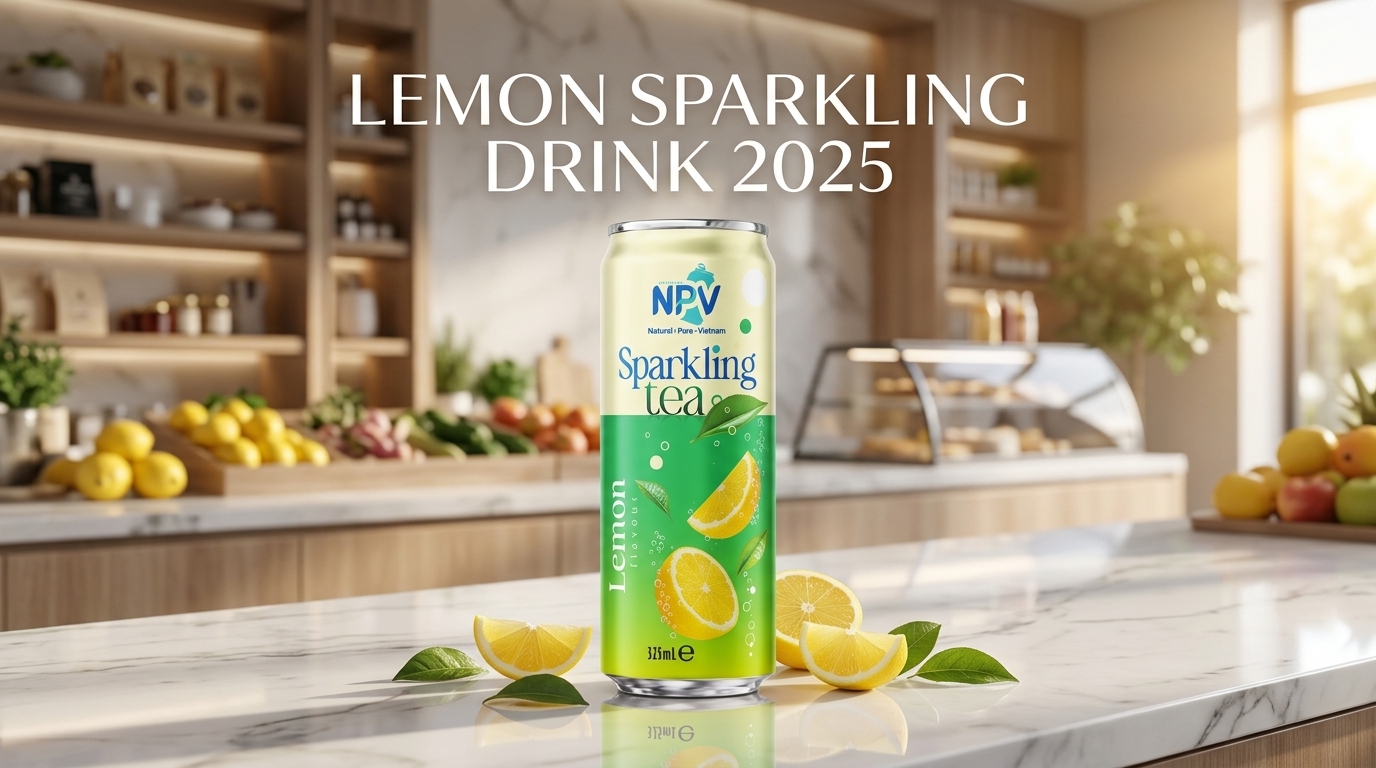
- Vietnam-based manufacturers like NPV Beverage provide flexible OEM/ODM solutions, competitive pricing, and efficient logistics for bulk orders.
- Understanding packaging options, shelf life, and container configurations is critical for cost-effective import planning.
- Building long-term partnerships with certified producers can reduce supply chain risks and support market expansion.
Why the Refreshing Sparkling Drink With Lemon Flavour 320ml Can Is a Strategic Import Product
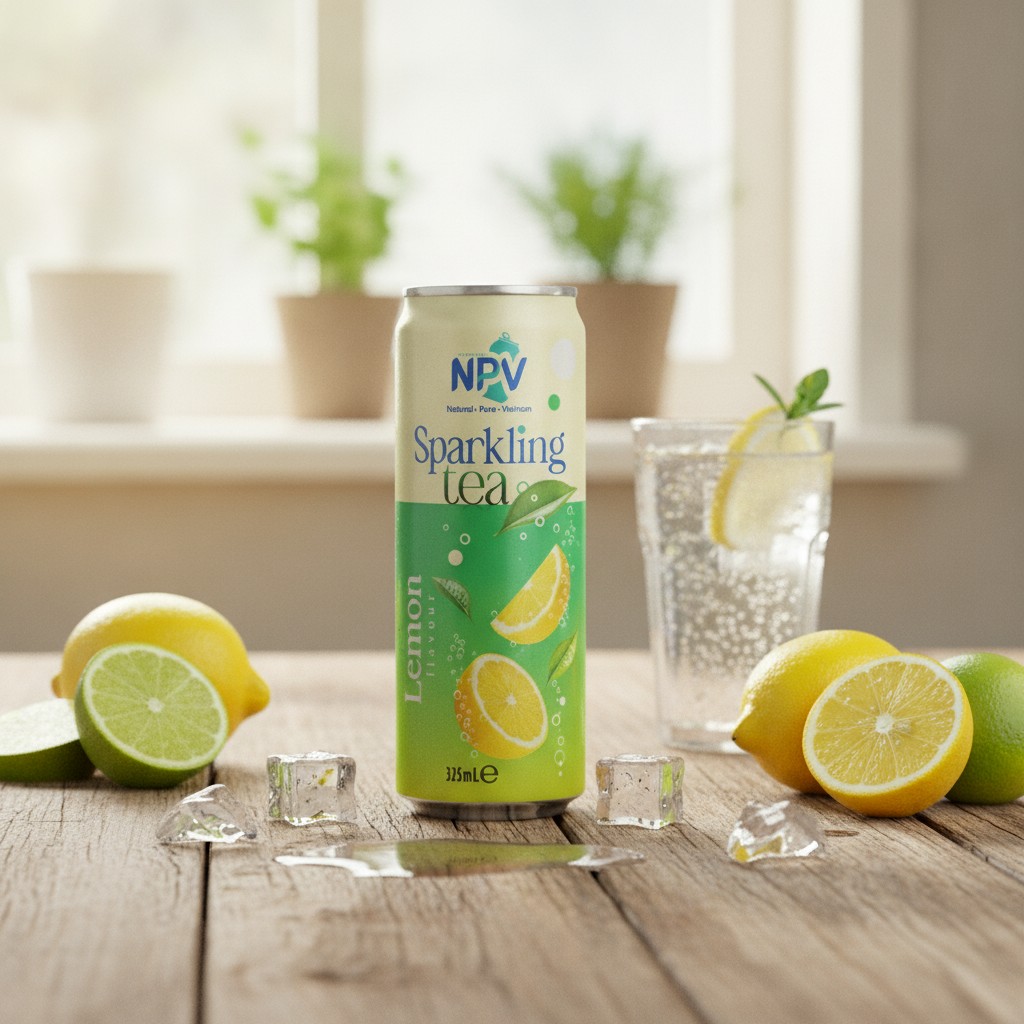
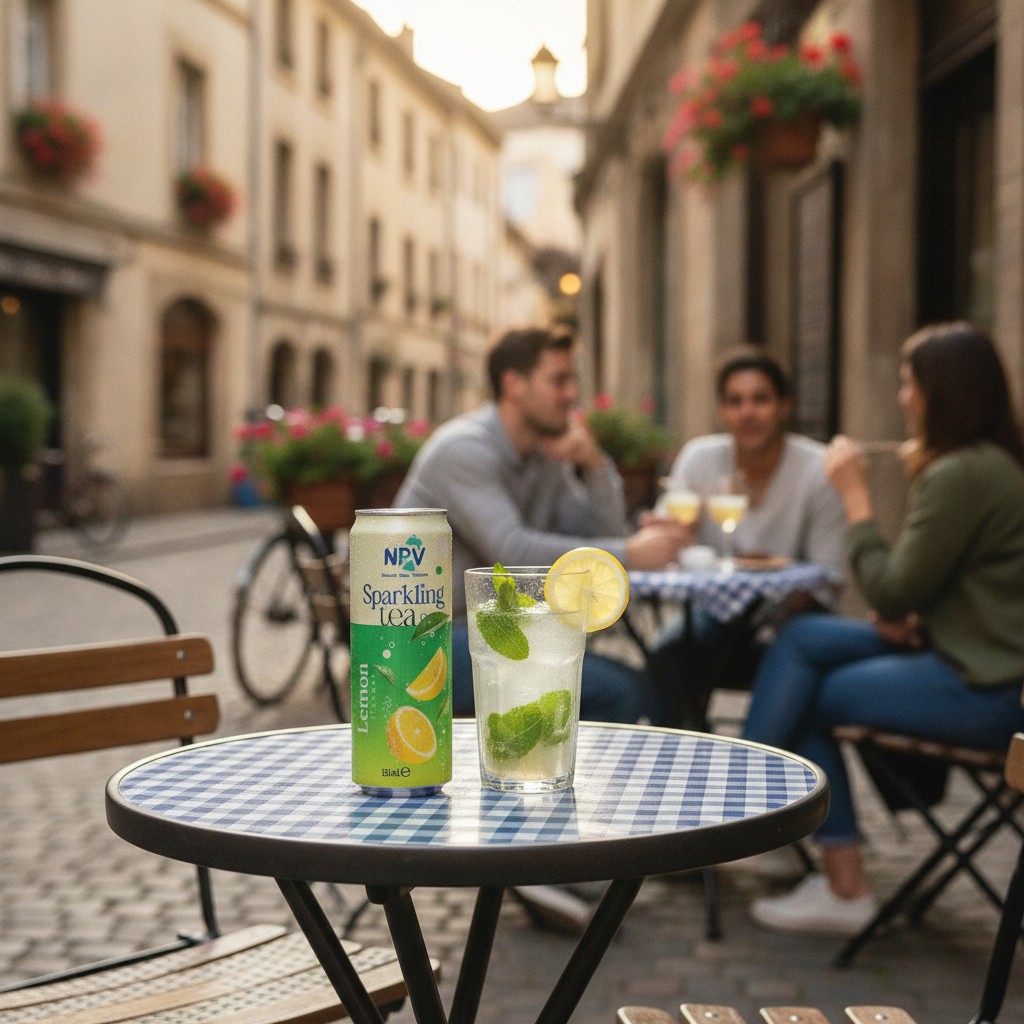
The refreshing sparkling drink with lemon flavour 320ml can is a versatile product that appeals to a broad consumer base. Its crisp, zesty taste and lively carbonation make it suitable for retail shelves, foodservice establishments, and hospitality venues. For importers, the 320ml aluminum can format offers durability, extended shelf life, and easy stacking for logistics. This product fits well within the growing demand for premium carbonated drinks that deliver a clean, refreshing experience without artificial aftertastes.
Importers targeting the USA and Europe should note that the product’s balanced sweetness and tartness align with local preferences for less sugary options. The 320ml size is convenient for on-the-go consumption, a key driver in Western markets. Additionally, the product’s packaging can be customized for private label branding, allowing distributors to differentiate their offerings.
Understanding the US Market for Lemon Sparkling Beverages
The United States remains one of the largest importers of carbonated beverages, with a strong appetite for innovative flavours. In 2025, the demand for lemon sparkling beverage wholesale is driven by health-conscious consumers seeking alternatives to traditional sodas. Importers can leverage this trend by introducing products that offer a natural lemon taste with effervescence, positioning them as premium options in convenience stores, supermarkets, and online channels.
Compliance with FDA regulations is mandatory. Importers must ensure that suppliers provide documentation for ingredients, packaging materials, and manufacturing processes. NPV Beverage, for instance, holds HACCP, HALAL, ISO, FSSC, and GMP certifications, which facilitate smoother customs clearance and build trust with US buyers. The product’s 12-month shelf life and aluminum can packaging also meet US market standards for durability and freshness.
European Market Opportunities for Carbonated Lemon Drinks
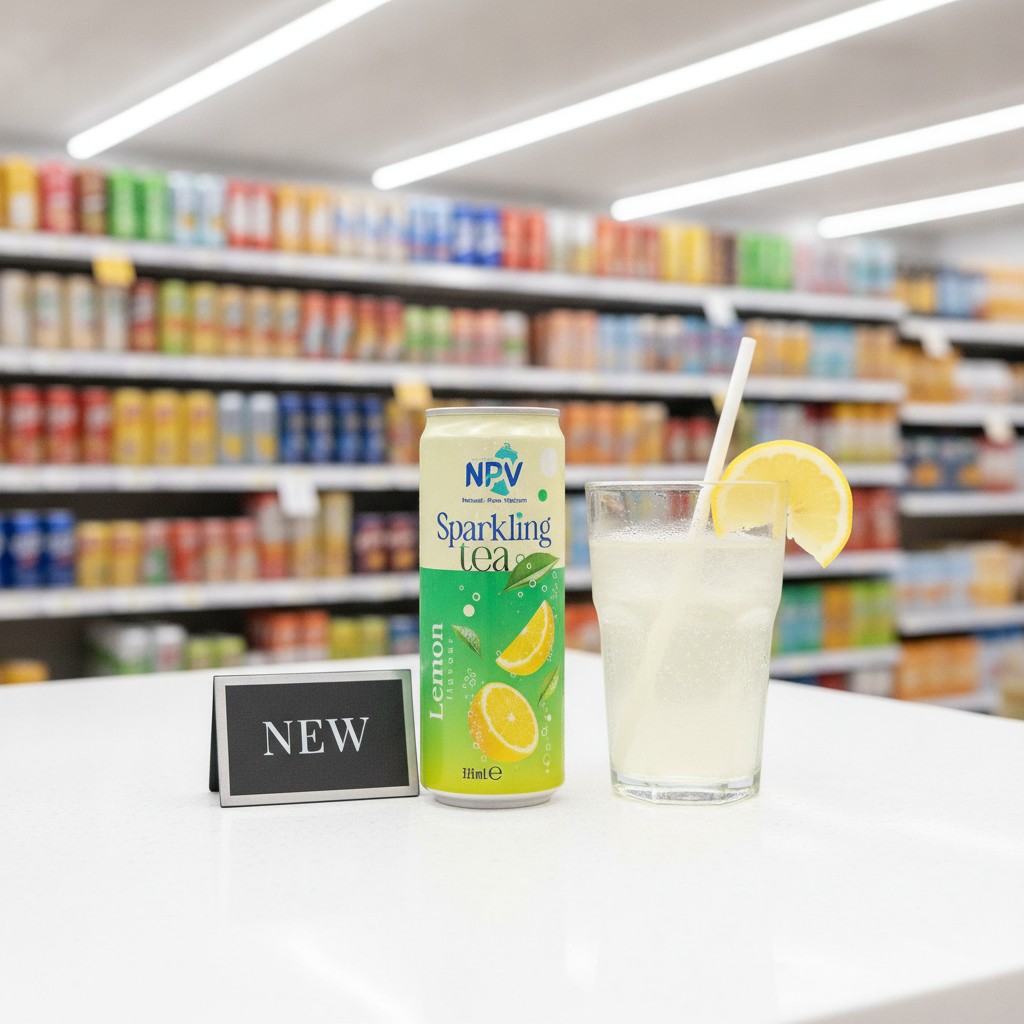
Europe presents a mature yet dynamic market for carbonated drinks, with consumers increasingly favouring natural flavours and sustainable packaging. The refreshing sparkling drink with lemon flavour 320ml can is well-positioned to capture this demand. Importers in Germany, the UK, and France can benefit from the product’s crisp lemon profile, which complements local tastes for citrus-based beverages.
European importers should prioritize suppliers with HALAL and ISO certifications to meet diverse regulatory requirements across EU member states. The product’s bulk packaging options—trays or shrink-wrapped bundles—simplify logistics for container shipments. With a production capacity of approximately 1,200 containers per month, NPV Beverage can reliably fulfill large-scale orders, reducing lead times for European distributors.
Key Considerations for Sourcing Lemon Sparkling Beverages from Vietnam
Vietnam has become a leading hub for beverage manufacturing, offering competitive pricing and high-quality output. When sourcing sparkling lemon drink bulk supply, importers should evaluate the manufacturer’s production capabilities, certification portfolio, and experience with international markets. NPV Beverage, established in 2019, operates over 50 production lines and exports to 130+ countries, demonstrating its capacity to meet global demand.
Importers should also consider the product’s technical specifications: 320ml per can, aluminum easy-open lid, and standard pallet configurations for 20′ or 40′ containers. Requesting samples for taste and carbonation testing is a prudent step before committing to large orders. Additionally, verifying that the supplier offers OEM/ODM services can provide flexibility for private label branding.
OEM and Private Label Opportunities for Importers
One of the most attractive aspects of sourcing from Vietnam is the availability of OEM and private label services. Importers can customize the refreshing sparkling drink with lemon flavour 320ml can with their own branding, flavour adjustments, and packaging designs. This allows distributors to create a unique product identity without investing in manufacturing infrastructure.
NPV Beverage provides end-to-end support, from concept development to label design and production. This is particularly valuable for importers entering competitive markets like the USA or Europe, where brand differentiation is key. By partnering with a certified manufacturer, importers can launch products quickly and cost-effectively, while maintaining quality standards.
Logistics and Shipping Considerations for Bulk Orders
Efficient logistics are critical for successful import operations. The lemon sparkling beverage wholesale product is packed in durable aluminum cans, which are less prone to damage during transit compared to glass bottles. Standard container loads can accommodate high volumes, reducing per-unit shipping costs. Importers should work with suppliers that have experience in international freight, including documentation for customs clearance.
NPV Beverage’s production facility in Binh Duong Province offers proximity to major ports, facilitating timely shipments. With a capacity of ~1,200 containers per month, the company can handle large-scale orders without delays. Importers should also consider the product’s 12-month shelf life, which allows for flexible inventory management and distribution planning.
Quality Certifications and Compliance for Global Markets
Certifications are a non-negotiable aspect of beverage importing. Buyers should ensure that suppliers hold HACCP, HALAL, ISO, FSSC, and GMP certifications to meet international standards. These credentials not only facilitate market access but also build trust with end consumers. For the refreshing sparkling drink with lemon flavour 320ml can, NPV Beverage’s certification portfolio covers key requirements for the USA, Europe, and the Middle East.
Importers should request copies of certifications and conduct factory audits if possible. This due diligence minimizes risks related to product quality, food safety, and regulatory compliance. Additionally, verifying that the manufacturer uses high-quality ingredients and maintains strict quality control from raw materials to finished products is essential for long-term success.
Market Trends Driving Demand for Carbonated Lemon Drinks
Consumer preferences in 2025 are shaped by a desire for authentic flavours, convenience, and transparency. The sparkling lemon drink bulk supply segment benefits from the growing popularity of citrus-based beverages, which are perceived as refreshing and versatile. Importers can capitalize on this trend by positioning the product as a standalone drink or as a mixer for cocktails and mocktails.
In the USA, the rise of functional beverages has also influenced the carbonated drink category, though this article focuses on non-health claims. The product’s crisp lemon flavour and effervescence align with consumer expectations for a premium, enjoyable experience. For European markets, sustainability concerns make aluminum cans an attractive packaging choice, as they are infinitely recyclable.
Building Long-Term Partnerships with Vietnamese Suppliers
Successful importing relies on strong supplier relationships. When evaluating manufacturers for OEM lemon soft drink production, importers should prioritize those with a proven track record, transparent communication, and flexible terms. NPV Beverage’s commitment to quality, competitive pricing, and customer support makes it a reliable partner for distributors worldwide.
Importers can explore the lemon sparkling beverage wholesale options available and request samples to assess taste, carbonation, and packaging. By fostering a collaborative relationship, both parties can navigate market challenges and seize growth opportunities together.
Frequently Asked Questions
What certifications should I look for when importing carbonated lemon drinks?
Importers should prioritize suppliers with HACCP, HALAL, ISO, FSSC, and GMP certifications. These ensure compliance with international food safety standards and facilitate customs clearance in markets like the USA and Europe.
What is the typical shelf life of a sparkling lemon drink in a 320ml can?
The product typically has a shelf life of 12 months under recommended storage conditions, ensuring freshness and carbonation retention for distributors and retailers.
Can I customize the packaging for private label distribution?
Yes, many Vietnamese manufacturers like NPV Beverage offer OEM/ODM services, allowing you to customize labels, flavours, and packaging designs for your brand.
What are the minimum order quantities for bulk imports?
Minimum order quantities vary by supplier, but typical bulk orders are based on full container loads (20′ or 40′). NPV Beverage offers flexible MOQ options for new partnerships.
How do I ensure the product meets US FDA requirements?
Work with suppliers that provide full ingredient documentation, FDA-compliant packaging, and relevant certifications. Request a certificate of analysis and conduct lab testing if needed.