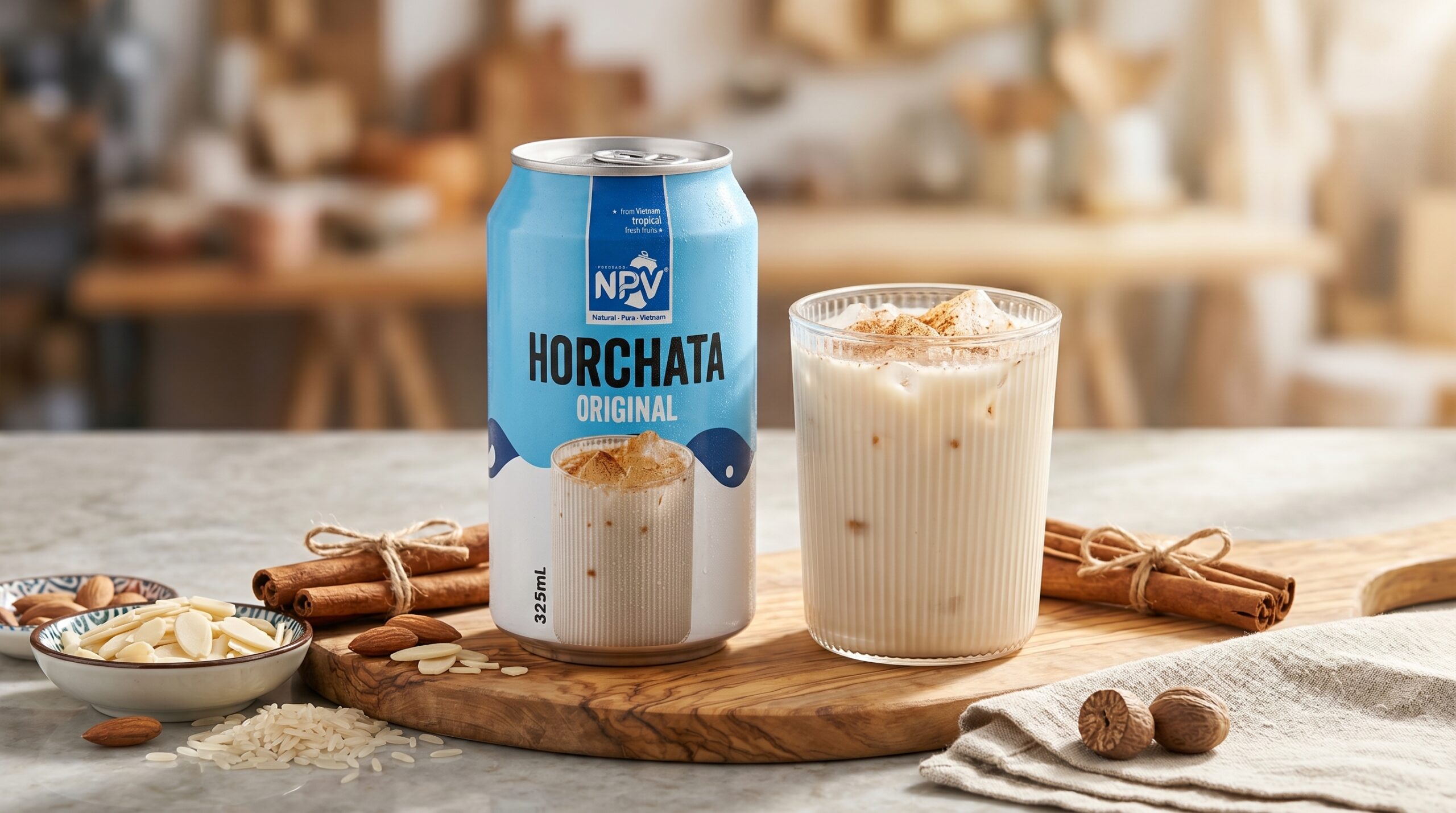
The global beverage industry is witnessing a remarkable shift as consumers increasingly seek authentic, culturally inspired flavors in convenient formats. Among the emerging categories, horchata—a traditional Latin American drink made from rice, cinnamon, and vanilla—is gaining significant traction beyond its regional roots. For B2B buyers, importers, and distributors, the ready to drink horchata milk beverage 330ml can represents a unique opportunity to tap into a growing demand for plant-based, dairy-free, and ethnic beverages. This article explores how this product is creating new opportunities in the US market, offering insights into consumer trends, sourcing advantages, and strategic considerations for businesses looking to expand their portfolio.
Key Takeaways
- The US market shows increasing demand for plant-based and ethnic beverages, with horchata emerging as a versatile option for retail and food service.
- Vietnam offers cost-effective manufacturing and export capabilities for ready to drink horchata milk beverage 330ml can, with suppliers like NPV providing OEM/ODM services.
- Understanding regulatory requirements, shelf life, and logistics is critical for successful importation and distribution of canned horchata beverages.
- Private labeling allows brands to differentiate in a competitive market, leveraging authentic recipes and sustainable packaging.
- Strategic partnerships with certified manufacturers ensure quality compliance and consistent supply for long-term business growth.
US Market Landscape for Horchata and Plant-Based Beverages
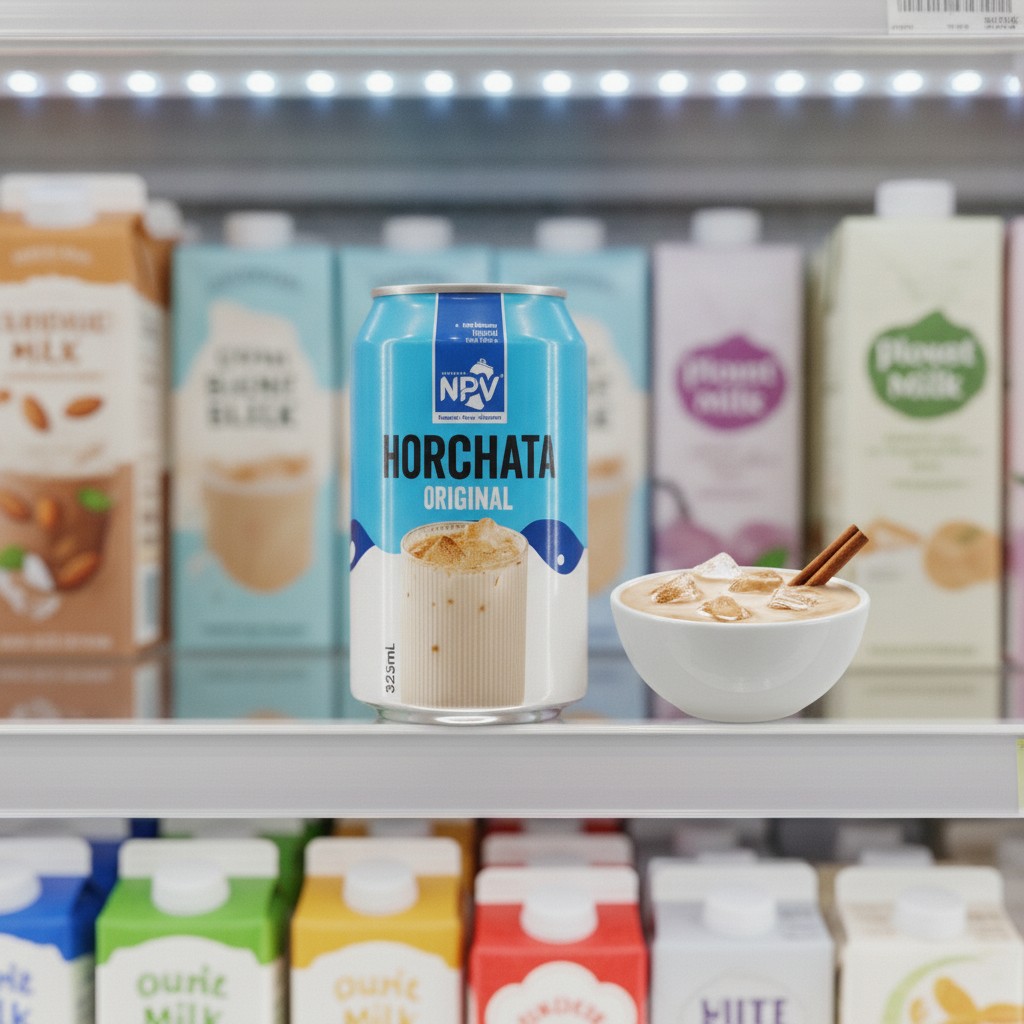
The United States is one of the largest markets for plant-based and ethnic beverages, driven by a diverse population and evolving consumer preferences. According to industry reports, the plant-based milk market in the US is projected to exceed $5 billion by 2025, with rice-based drinks like horchata gaining popularity as a dairy-free alternative. The canned horchata beverage segment, in particular, is benefiting from the convenience trend, as consumers seek on-the-go options that deliver authentic flavor without refrigeration.
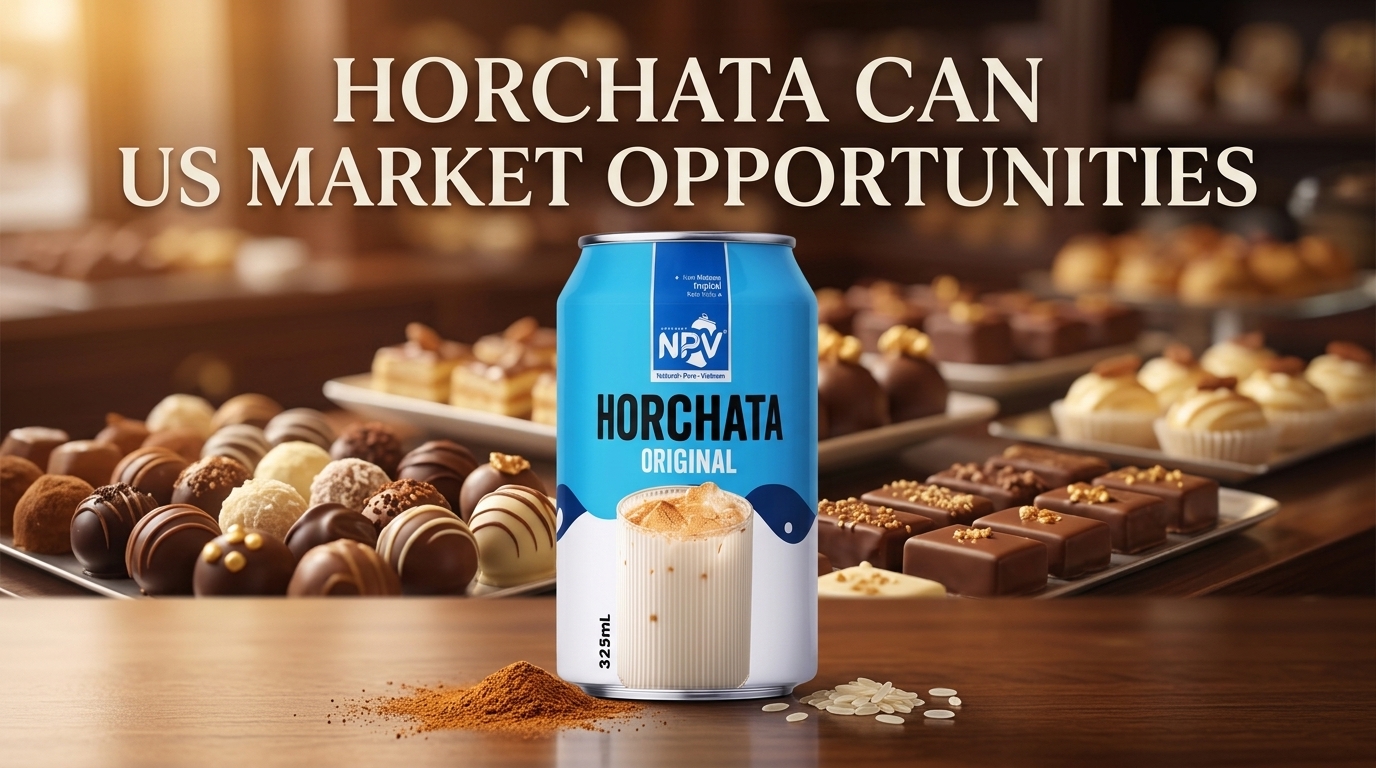
Horchata’s appeal lies in its familiar yet exotic taste profile—creamy, subtly sweet, and spiced with cinnamon and vanilla. This makes it suitable for a wide range of occasions, from standalone refreshment to pairing with snacks and desserts. In the US, horchata is already a staple in Latin American communities and is increasingly crossing over into mainstream markets, appearing in coffee shops, convenience stores, and even as a mixer in cocktails. For importers and distributors, this presents a clear opportunity to introduce a horchata milk beverage wholesale program that caters to both ethnic and general audiences.
Key drivers include the rise of flexitarian diets, lactose intolerance awareness, and curiosity about global cuisines. The 330ml can format aligns perfectly with these trends, offering a single-serve portion that is easy to stock and display. Additionally, the product’s shelf stability—12 months at ambient temperature—reduces storage and transportation costs, making it an attractive option for bulk importers.
Why Vietnam Is an Ideal Sourcing Destination
Vietnam has emerged as a leading hub for beverage manufacturing and export, thanks to its competitive production costs, skilled workforce, and robust supply chain infrastructure. For the ready to drink horchata milk beverage 330ml can, sourcing from Vietnam offers several advantages. Suppliers like NPV Beverage combine modern technology with traditional recipes, ensuring consistent quality and flavor authenticity. With over 50 production lines and a monthly capacity of approximately 1,200 containers, Vietnamese manufacturers can handle large-volume orders efficiently.
The country’s strategic location in Southeast Asia provides easy access to major shipping routes, reducing transit times to the US West Coast to around 14–18 days. This logistics efficiency is crucial for maintaining product freshness and meeting market demand. Moreover, Vietnam’s free trade agreements with the United States and other Western markets help minimize import tariffs, further enhancing cost competitiveness. For buyers seeking a bulk horchata supplier, Vietnam offers a reliable combination of price, quality, and scalability.
Certifications such as HACCP, HALAL, ISO, GMP, FSSC, and SMETA/BSCI are standard among top Vietnamese beverage exporters, ensuring compliance with US Food and Drug Administration (FDA) requirements. This regulatory alignment simplifies the import process and reduces the risk of shipment delays or rejections. By partnering with a certified manufacturer, importers can focus on marketing and distribution rather than quality assurance.
Product Specifications and Packaging Advantages
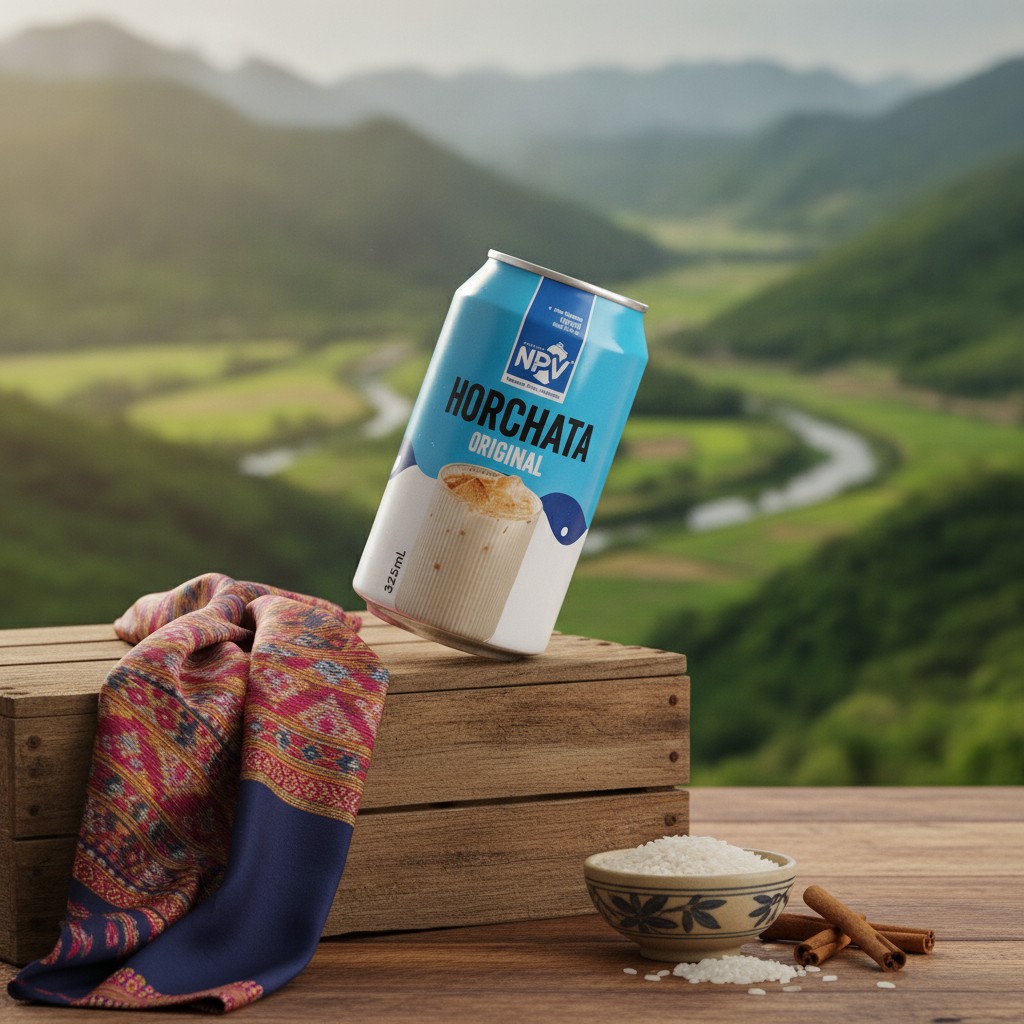
The ready to drink horchata milk beverage 330ml can is designed for maximum convenience and shelf appeal. Each can contains a creamy, dairy-free blend of rice, cinnamon, and vanilla, with a balanced sweetness that appeals to a broad consumer base. The 330ml size is ideal for individual consumption, fitting easily into lunchboxes, gym bags, or office fridges. From a logistics perspective, the aluminum can is lightweight and stackable, reducing shipping weight and storage space compared to glass bottles or cartons.
Standard packaging configurations include 24 cans per tray, with multiple trays per pallet. Minimum order quantities typically start at one 20-foot container (approximately 27,000 cans), making it accessible for mid-sized importers. Customization options are available, including private labeling and custom can designs, allowing brands to differentiate themselves on the shelf. The product’s 12-month ambient shelf life eliminates the need for cold chain logistics, further lowering operational costs.
For US importers, the absence of dairy ingredients is a significant advantage, as it avoids the stricter regulations associated with dairy products. The rice-based formulation is naturally lactose-free and vegan-friendly, aligning with current dietary trends. Additionally, the use of natural flavors like cinnamon and vanilla ensures a clean label, which resonates with health-conscious consumers who read ingredient lists carefully.
Consumer Trends Driving Horchata Adoption in the US
American consumers are increasingly adventurous in their food and beverage choices, driven by exposure to global cuisines through travel, media, and multicultural communities. Horchata, once confined to Mexican restaurants and Latin grocery stores, is now appearing in mainstream retail chains and specialty coffee shops. The rise of “third-wave” coffee culture has also contributed, with cafes offering horchata lattes and cold brews. This trend creates a natural entry point for the ready to drink horchata milk beverage 330ml can as a ready-to-serve alternative for food service operators.
Social media platforms like TikTok and Instagram have amplified interest in unique beverages, with horchata frequently featured in recipe videos and taste tests. Younger demographics, including Gen Z and Millennials, are driving demand for products that offer both novelty and nostalgia. The canned format aligns with the “aesthetic” appeal of shelf-stable drinks, often showcased in flat lays or unboxing content. For distributors, this translates into higher impulse purchase rates, especially when the product is positioned alongside other trendy items like cold brew coffee or sparkling teas.
Another key factor is the growing preference for plant-based alternatives. While horchata has traditionally been made with milk, the rice-based version is naturally dairy-free, appealing to vegans, lactose-intolerant individuals, and those reducing animal product consumption. This positions the product in a high-growth category that shows no signs of slowing down. By importing a horchata milk beverage wholesale program, businesses can cater to multiple consumer segments simultaneously.
Regulatory and Compliance Considerations for US Importers
Importing beverages into the United States requires adherence to FDA regulations, including the Food Safety Modernization Act (FSMA). Manufacturers must demonstrate that their products are produced under sanitary conditions and meet labeling requirements. For the ready to drink horchata milk beverage 330ml can, this means ensuring that all ingredients are FDA-approved and that the final product is free from contaminants. Vietnamese suppliers with FSSC and HACCP certifications provide documentation that facilitates customs clearance.
Labeling must include a Nutrition Facts panel, ingredient list, allergen declarations, and net weight in both metric and imperial units. Since the product is dairy-free, it should be clearly labeled to avoid confusion with milk-based beverages. Additionally, any claims such as “vegan” or “plant-based” must be substantiated. Importers should work with a customs broker experienced in food imports to navigate these requirements smoothly.
Tariff classification is another important consideration. Horchata beverages typically fall under HS code 2202.90 (non-alcoholic beverages), which carries a relatively low duty rate. However, importers should verify the current tariff schedule, as trade agreements can affect rates. Vietnam’s status as a developing country may also qualify the product for preferential treatment under certain programs.
OEM and Private Label Opportunities
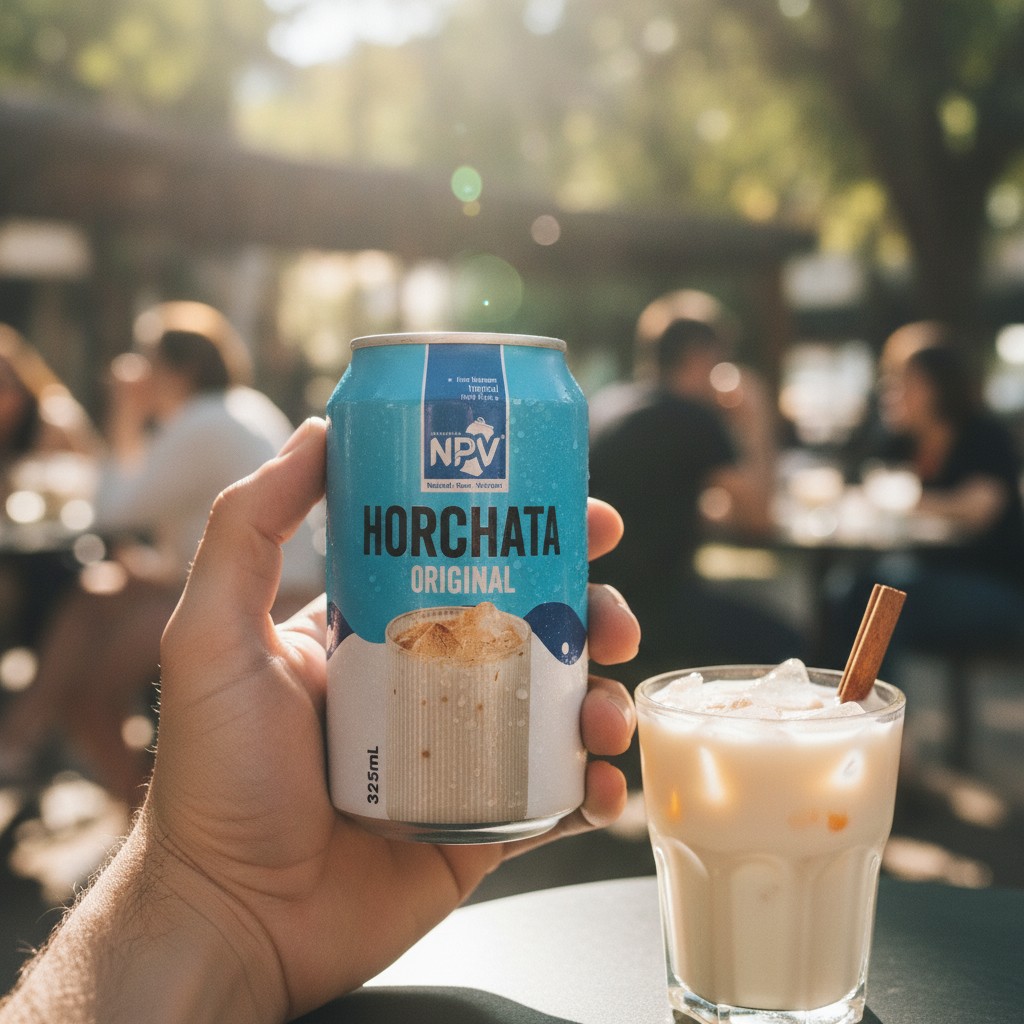
One of the most compelling aspects of sourcing from Vietnam is the availability of OEM and private label services. For brands looking to enter the horchata market without investing in their own production facilities, partnering with a manufacturer like NPV Beverage offers a turnkey solution. The company’s R&D team can adjust the recipe to match specific flavor profiles, sweetness levels, or nutritional targets. This flexibility is invaluable for creating a unique product that stands out in a crowded market.
Private labeling allows businesses to build their own brand identity around the canned horchata beverage, from can design to marketing materials. The minimum order quantity of one container makes it feasible for startups and mid-sized companies to test the market without excessive risk. Additionally, manufacturers can assist with regulatory documentation for the target market, reducing the burden on importers.
For established distributors, OEM services enable the addition of a new SKU to an existing portfolio without disrupting supply chains. The consistent quality and reliable delivery of Vietnamese manufacturers ensure that private label products maintain their reputation over time. As the horchata category grows, early movers with strong branding will be well-positioned to capture market share.
Logistics and Supply Chain Best Practices
Successful importation of the ready to drink horchata milk beverage 330ml can requires careful planning of logistics and supply chain. The product’s 12-month shelf life provides flexibility, but importers should still manage inventory to avoid overstocking. Shipping via full container load (FCL) is recommended for cost efficiency, with 20-foot and 40-foot containers accommodating approximately 27,000 and 54,000 cans, respectively. Consolidation services are available for smaller orders, though at a higher per-unit cost.
Warehousing in the US should be climate-controlled to maintain quality, although ambient storage is sufficient. Distributors can leverage regional distribution centers to reduce last-mile delivery costs. For food service channels, direct-to-store delivery may be more efficient, while retail channels benefit from partnerships with grocery wholesalers. Developing a clear distribution strategy before placing an order ensures that the product reaches the right customers quickly.
Communication with the supplier is critical for managing lead times. Most Vietnamese manufacturers require 30–45 days for production after order confirmation, plus 14–18 days for ocean freight. Importers should plan orders 3–4 months in advance to account for potential delays. Building a strong relationship with a bulk horchata supplier can lead to priority treatment and better terms over time.
Competitive Analysis: Horchata vs. Other Plant-Based Beverages
The plant-based beverage market in the US is dominated by almond, oat, and soy milk, but horchata offers a distinct flavor profile that sets it apart. Unlike these alternatives, horchata is not positioned as a direct milk substitute but rather as a standalone refreshment. This differentiation reduces direct competition and allows for premium pricing. The horchata milk beverage wholesale market is relatively underdeveloped compared to other plant-based segments, providing a first-mover advantage for early entrants.
Horchata also competes with other ethnic beverages like Thai iced tea, Mexican aguas frescas, and Indian lassi. However, its creamy texture and cinnamon-vanilla flavor give it broad appeal that transcends cultural boundaries. In blind taste tests, horchata often scores high for its pleasant mouthfeel and balanced sweetness, making it a versatile addition to any beverage lineup. For distributors, this means the product can be marketed to both ethnic and mainstream retailers without compromising authenticity.
Price-wise, horchata is typically positioned in the mid-to-premium range, similar to specialty craft sodas or functional beverages. The 330ml can format allows for a retail price point that covers import costs while remaining competitive. Importers should conduct a thorough market analysis to determine the optimal pricing strategy for their target channels.
Frequently Asked Questions
1. What is the minimum order quantity for the ready to drink horchata milk beverage 330ml can?
The standard minimum order quantity is one 20-foot container, which holds approximately 27,000 cans. Smaller orders may be possible through consolidation, but at a higher per-unit cost.
2. Does the product require refrigeration?
No, the product has a 12-month ambient shelf life and does not require refrigeration. This makes it ideal for bulk storage and distribution without cold chain logistics.
3. Can I customize the flavor or packaging?
Yes, OEM and private label services are available. Manufacturers like NPV Beverage can adjust the recipe, sweetness level, and can design to meet your brand’s specifications.
4. What certifications does the manufacturer hold?
NPV Beverage holds HACCP, HALAL, ISO, GMP, FSSC, ORGANIC, and SMETA/BSCI certifications, ensuring compliance with international quality and safety standards.
5. How long does shipping take from Vietnam to the US?
Ocean freight from Vietnam to the US West Coast typically takes 14–18 days. Production time is approximately 30–45 days after order confirmation.