In the ever-evolving world of beverages, consumers are increasingly seeking products that offer both refreshment and a sense of natural quality. The introduction of new drink formats often captures the attention of the market. One such product that has entered the scene is a mixed fruit juice presented in a distinctive glass bottle.
This beverage aims to provide a convenient and enjoyable drinking experience. The choice of packaging and the described product characteristics suggest a focus on certain consumer preferences. Let us explore the details of this offering and its place in the current beverage landscape.
Exploring the Product Concept and Presentation
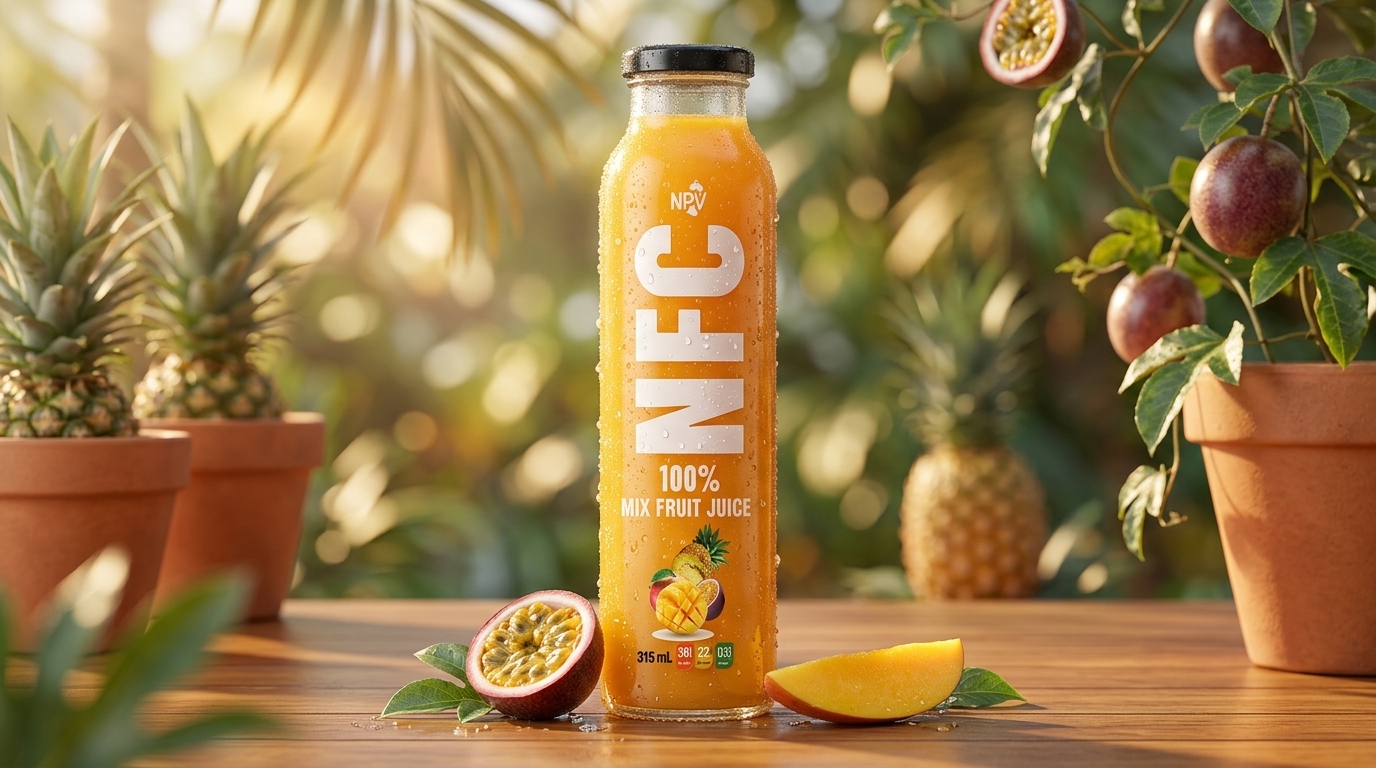
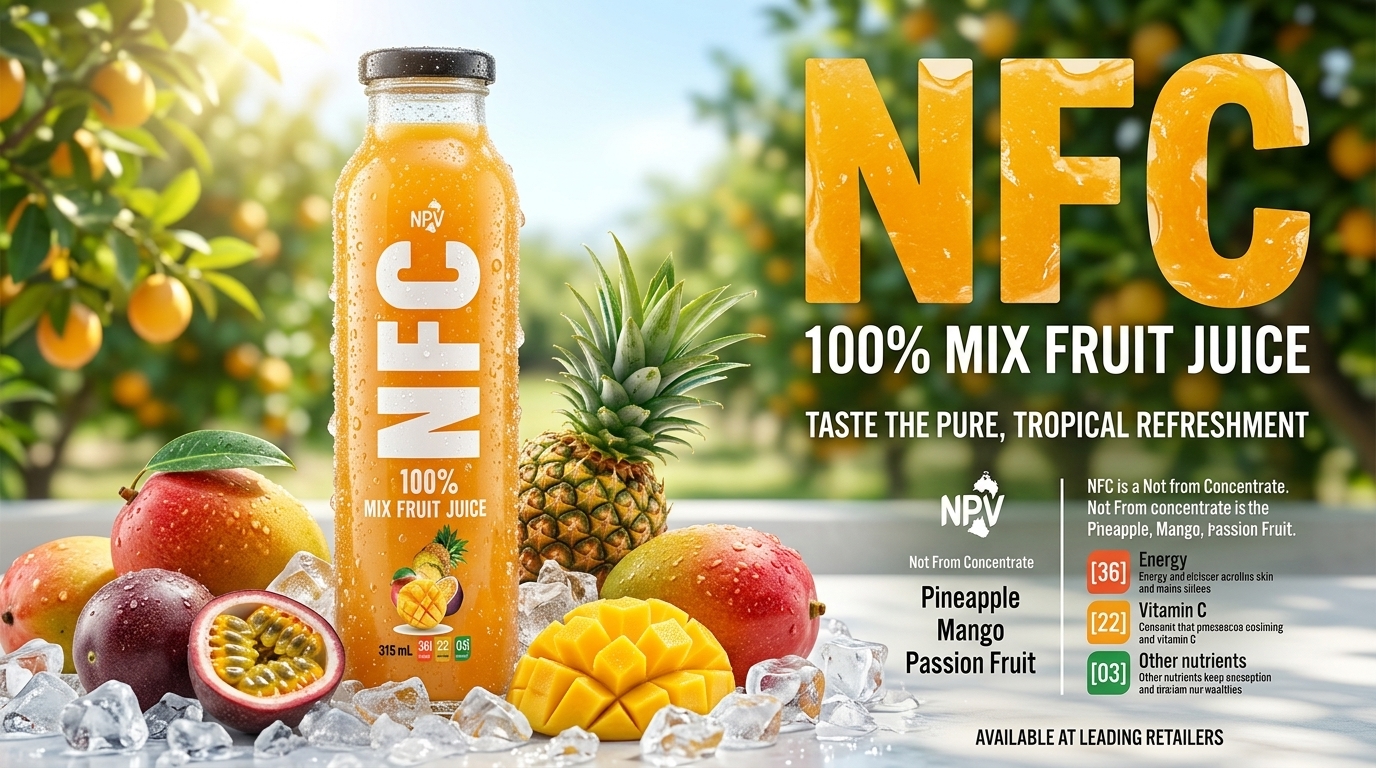
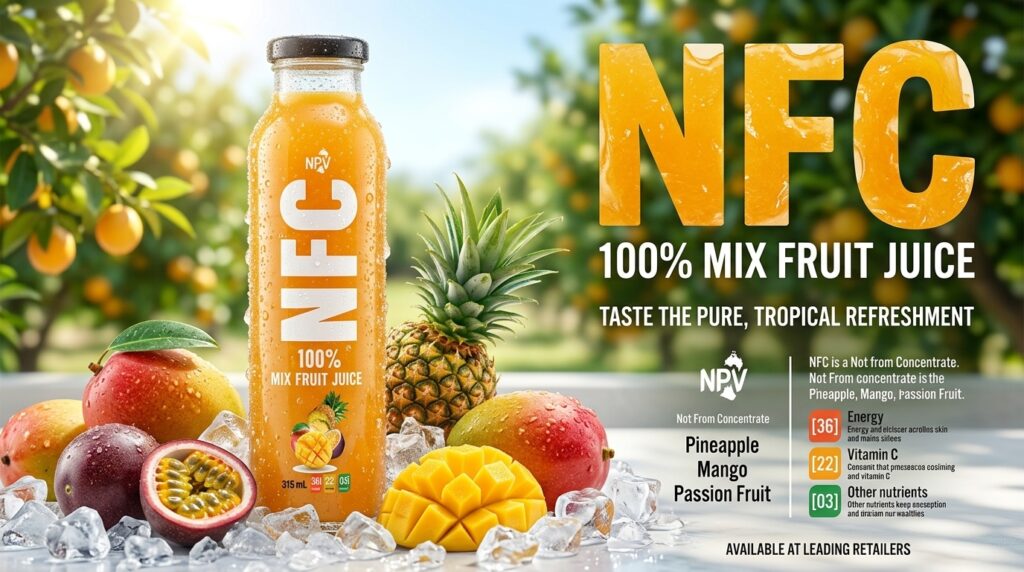
The product is presented as an NFC mixed fruit juice. NFC stands for Not From Concentrate, a processing method that involves pressing fruit and then pasteurizing the juice without first concentrating it. This technique is often associated with preserving a fresher, more authentic fruit taste compared to juices reconstituted from concentrate.
The mixed fruit aspect indicates a blend of different fruit juices. This creates a complex flavor profile that can be more interesting than single-fruit options. Combining flavors allows for a unique taste that might balance sweetness, tartness, and aroma.
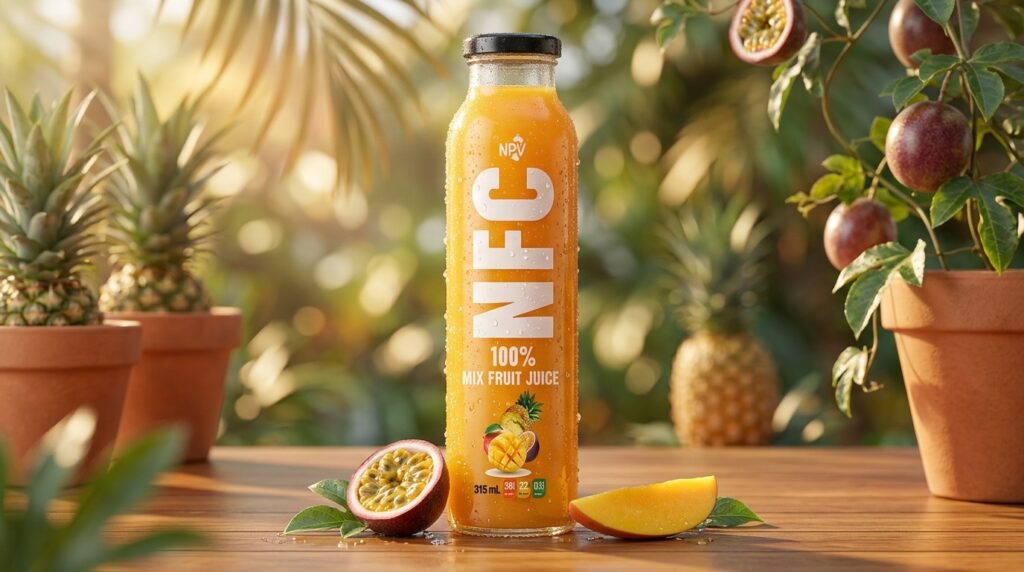
The juice is housed in a 315ml glass bottle. Glass packaging is often chosen for its premium feel and excellent barrier properties. It does not interact with the juice, ensuring the flavor remains unaltered. The 315ml size is a convenient single-serving portion, suitable for an on-the-go refreshment or a casual drink at home.
The visual appeal of a glass bottle can also enhance the overall drinking experience. It feels substantial and aligns with perceptions of quality for many consumers. This packaging choice is a significant part of the product’s identity in the competitive juice aisle.
The Significance of NFC Juice Processing
Understanding the NFC process is key to appreciating this beverage category. Unlike juices made from concentrate, NFC juice undergoes minimal processing after the initial extraction. The fresh fruit is washed, sorted, and pressed. The resulting juice is then typically pasteurized at a lower temperature for a shorter time to ensure safety and extend shelf life while aiming to protect flavor compounds and nutrients.
This method contrasts with the concentrate process, where most of the water is removed from the juice for efficient transportation and storage. Later, water is added back before packaging. While efficient, this reconstitution can sometimes affect the volatile aromatic compounds that contribute to fresh flavor.
For a mixed fruit NFC juice, the process involves carefully blending the individually extracted NFC juices of different fruits. The goal is to achieve a consistent and harmonious flavor in every bottle. The technical challenge lies in sourcing quality fruits and managing the blend to deliver a stable and tasty product.
For consumers, the NFC label often signals a commitment to a less processed, more authentic juice experience. It speaks to a desire for beverages that are closer to their natural source. This aligns with broader trends favoring clean labels and transparent food production.
Analyzing the Mixed Fruit Flavor Profile
A mixed fruit juice blend is an artful combination. The specific fruits used define its character. Common blends might include apple, orange, pineapple, mango, and passion fruit, but the exact composition is what makes each product unique.
The blend aims to create a balanced and enjoyable taste. Sweet fruits like mango or apple can provide a base, while tart fruits like passion fruit or citrus add a refreshing zing. The result is a multi-layered flavor that is more complex and interesting than a single-note juice.
This complexity makes the beverage versatile. It can be enjoyed chilled on its own as a refreshing drink. It could also serve as a base for smoothies or mocktails, adding a rich fruit flavor without the need for multiple ingredients. The appeal lies in its ready-to-drink convenience and its crafted taste profile.
When evaluating such a product, the harmony of the blend is crucial. No single fruit should overpower the others. The mouthfeel, sweetness level, and aftertaste all contribute to the overall impression. A successful mixed fruit juice offers a consistent and pleasurable taste from the first sip to the last.
The Role and Appeal of Glass Bottle Packaging
Packaging is a critical element in the beverage industry, influencing perception, convenience, and sustainability. The choice of a 315ml glass bottle for this NFC mixed fruit juice carries several implications.
Firstly, glass is inert. It does not leach chemicals into the beverage and does not absorb flavors, ensuring the juice tastes exactly as intended. This purity is a strong selling point for a product marketing its authentic NFC qualities.
Secondly, glass conveys a premium and high-quality image. It feels substantial in the hand and often appeals to consumers looking for a more sophisticated drink option. The clarity of glass allows the natural color of the mixed fruit juice to be visible, which can be very appealing.
From a practical standpoint, the 315ml size is convenient. It is a manageable volume for a single serving, reducing waste if not consumed immediately. The glass bottle is also typically resealable with a twist-off cap, allowing the drink to be saved for later if needed.
Furthermore, glass is infinitely recyclable without loss of quality. This environmental aspect is increasingly important to many consumers. Brands using glass often highlight this recyclability as part of their commitment to sustainable packaging solutions within the beverage sector.
Positioning in the Modern Beverage Market
The beverage market is crowded, with countless options vying for consumer attention. A product like this NFC mixed fruit juice in a glass bottle carves out a specific niche.
It sits at the intersection of several trends: the demand for less processed foods (NFC), the desire for interesting flavor combinations (mixed fruit), and the preference for premium, sustainable packaging (glass). This positioning targets consumers who are mindful of what they drink and are willing to pay a bit more for perceived quality and authenticity.
It competes not only with other shelf-stable juices but also with cold-pressed juices, functional beverages, and enhanced waters. Its point of differentiation is the combination of its processing method, flavor blend, and classic packaging. You can explore this specific product offering, the NPV NFC mixed fruit juice in glass bottle, to see how it presents these features.
For retailers and distributors, such a product can help diversify their juice category. It offers something distinct from standard cartons or plastic bottles. It can attract a different customer segment looking for a refreshing and quality beverage option. Discovering more unique beverages is easy by browsing the wider selection of non alcoholic beverages available.
Successful marketing would focus on educating consumers about the NFC benefit, highlighting the crafted flavor blend, and emphasizing the advantages of glass packaging. Tasting experiences can be particularly effective, as the flavor is the ultimate proof of the product’s value.
Key Takeaways
- The product is an NFC mixed fruit juice, emphasizing a less processed method that aims to preserve a fresher fruit taste.
- It is packaged in a 315ml glass bottle, chosen for its premium feel, flavor protection, and recyclability.
- The mixed fruit blend is designed to create a complex and balanced flavor profile that is both refreshing and enjoyable.
- This beverage positions itself at the intersection of trends favoring authenticity, interesting flavors, and sustainable packaging.
- It represents a specific niche in the competitive juice market, targeting consumers seeking a quality, ready-to-drink option.
Frequently Asked Questions
What does NFC mean on a juice label?
NFC stands for Not From Concentrate. It means the juice was pressed from fruit and then pasteurized for safety without having the water removed and later added back. This process is often associated with a flavor profile closer to that of fresh fruit.
Why is this juice packaged in a glass bottle?
Glass packaging is used because it is inert and does not interact with the juice, preserving the intended flavor. It also offers a premium feel, is fully recyclable, and allows the natural color of the juice to be visible, which enhances appeal.
Is mixed fruit juice better than single-fruit juice?
“Better” is subjective and depends on personal taste preference. Mixed fruit juice offers a more complex and layered flavor experience by blending different fruits. It provides variety in a single beverage, which some consumers find more interesting and enjoyable.
How should I store this type of juice?
Before opening, store it in a cool, dry place away from direct sunlight. After opening, it should be refrigerated and consumed within a few days, as with any fresh juice product, to enjoy its best quality and flavor.
Can this juice be used in recipes or smoothies?
Yes, absolutely. Its rich mixed fruit flavor makes it an excellent liquid base for smoothies, or it can be used in recipes for sauces, marinades, or mocktails where a fruity element is desired. Its convenience makes it a versatile ingredient. For more inspiration on using juices, check out the variety in the fruit juices category.