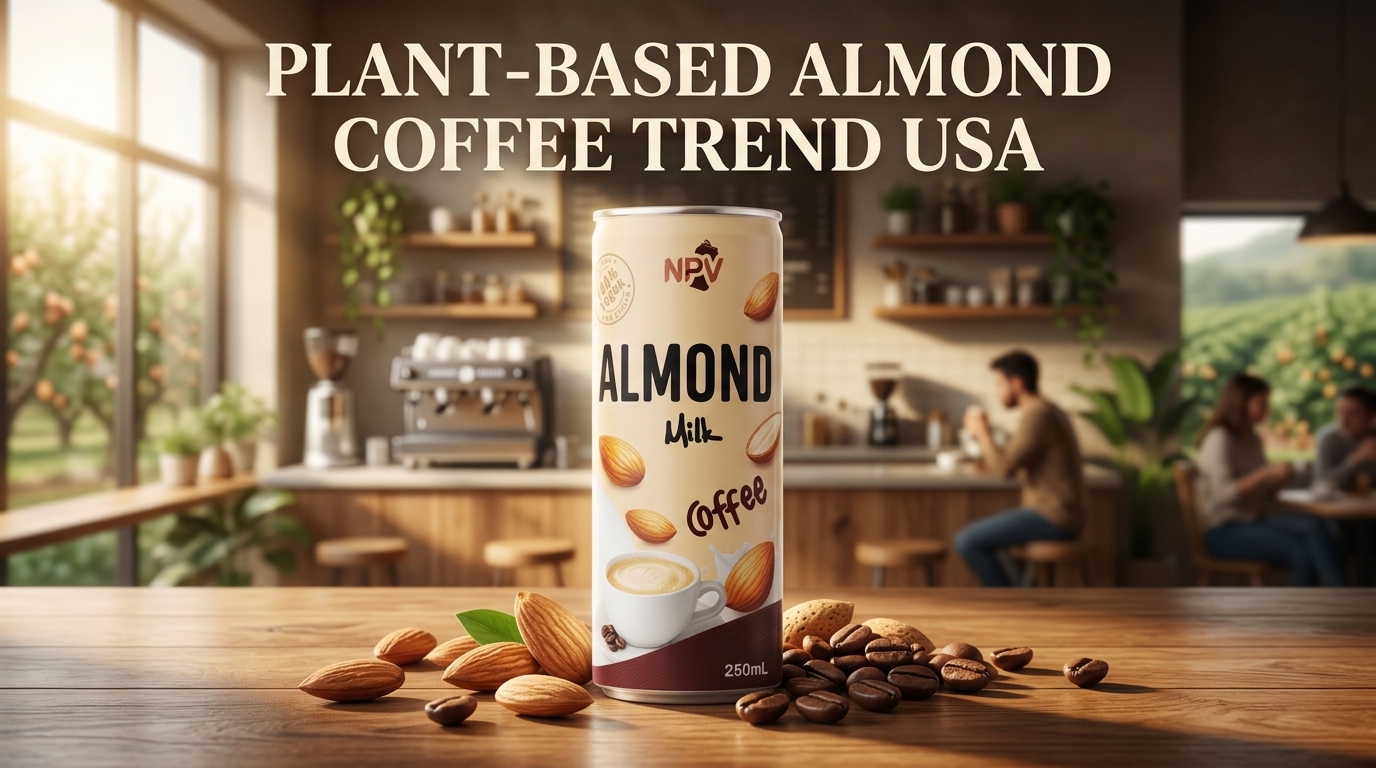
The American beverage market is undergoing a seismic shift. Consumers are moving away from traditional dairy-based coffee creamers and sugary sodas, gravitating toward options that align with modern values of plant-based nutrition, convenience, and clean-label transparency. At the heart of this transformation is a product category that bridges two major trends: ready-to-drink (RTD) coffee and plant-based milk alternatives. The Plant Based 100% Vegan Almond Coffee Drink 250ml Cans exemplifies how this fusion is capturing the attention of importers, distributors, and F&B businesses seeking to meet evolving consumer expectations.
Key Takeaways
- The U.S. RTD coffee market is projected to exceed $30 billion by 2027, with plant-based variants driving significant growth.
- Consumer demand for dairy-free, vegan-friendly coffee options is rising among millennials and Gen Z, creating new opportunities for importers.
- Products like the Plant Based 100% Vegan Almond Coffee Drink 250ml Cans offer a strategic entry point for distributors targeting convenience stores, specialty cafes, and retail chains.
- Sourcing from certified manufacturers in Vietnam provides cost advantages and scalability for private label and OEM partnerships.
- Understanding flavor profiles, packaging formats, and certifications is critical for success in the competitive U.S. market.
The Rise of Plant-Based Coffee in the U.S. Market
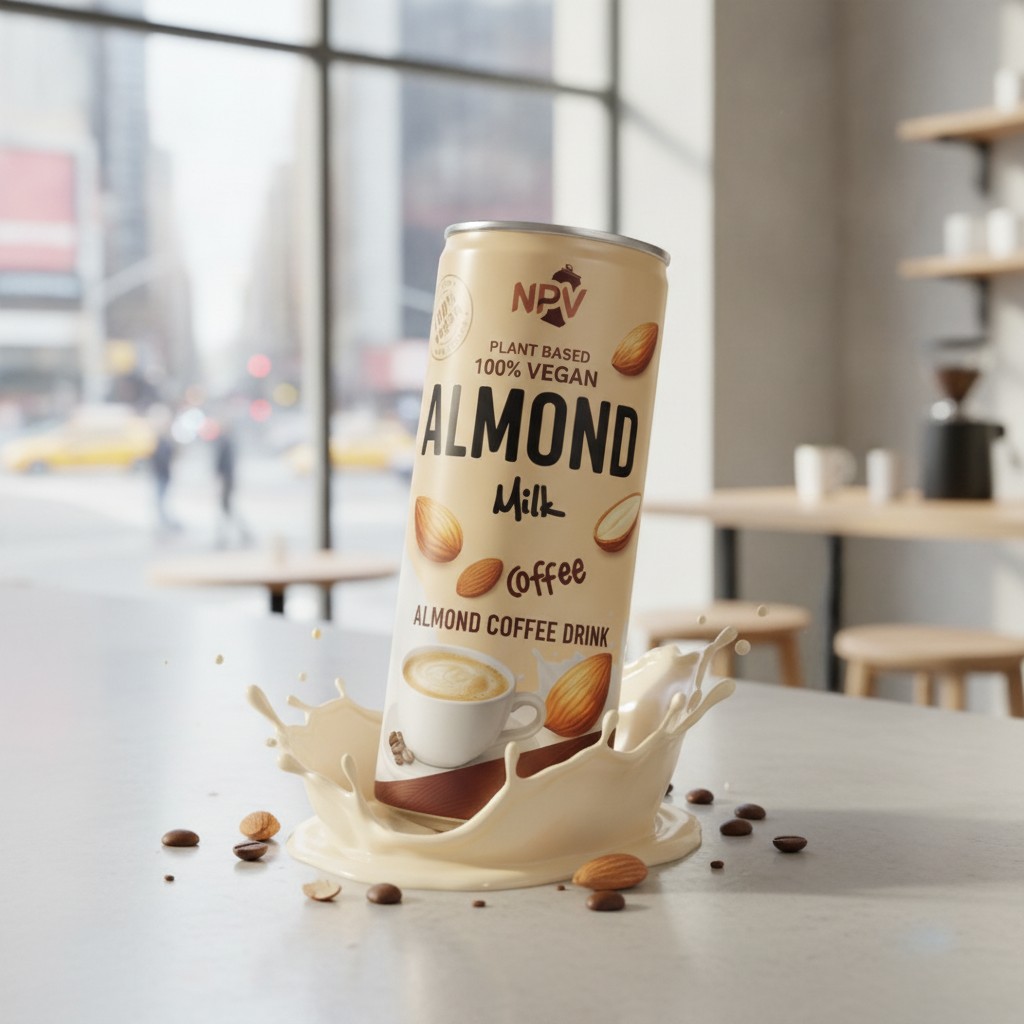
The United States has long been a dominant market for coffee consumption, but the landscape is changing rapidly. According to industry reports, the U.S. RTD coffee market is expected to grow at a compound annual growth rate (CAGR) of over 8% through 2027. A key driver of this growth is the increasing popularity of plant-based beverages. Consumers are actively seeking alternatives to dairy milk, citing reasons such as lactose intolerance, environmental concerns, and lifestyle choices. The almond coffee drink bulk segment, in particular, has seen a surge in demand as almond milk remains the most widely consumed plant-based milk in the country.
For importers and distributors, this trend presents a clear opportunity. Traditional coffee drinks often rely on dairy creamers, which alienate a growing segment of health-conscious and vegan consumers. By offering a product like the Plant Based 100% Vegan Almond Coffee Drink, businesses can tap into a market that values inclusivity and innovation. The 250ml can format is especially appealing for on-the-go consumption, aligning with the fast-paced lifestyle of American consumers who prioritize convenience without compromising on taste or ethical standards.
Why Almond Coffee Drink Appeals to Modern American Consumers
American consumer preferences are being reshaped by a desire for transparency and functionality. The OEM coffee drink Vietnam model allows brands to customize products to meet specific regional tastes, but the core appeal of almond-based coffee lies in its flavor and ingredient profile. The smooth, nutty undertones of almond milk complement the rich Arabica coffee base, creating a balanced beverage that is neither overly sweet nor bitter. This makes it suitable for a wide range of occasions, from morning commutes to afternoon breaks.
Moreover, the clean-label movement is gaining momentum in the United States. Consumers are scrutinizing ingredient lists, avoiding artificial preservatives, GMOs, and unrecognizable additives. The Plant Based 100% Vegan Almond Coffee Drink is formulated with no dairy, no GMOs, and no artificial preservatives, making it an ideal candidate for retailers looking to stock products that align with this trend. For B2B buyers, this means a product that not only meets current demand but also future-proofs their portfolio against shifting consumer expectations.
Packaging and Convenience: Key Drivers for Retail Success
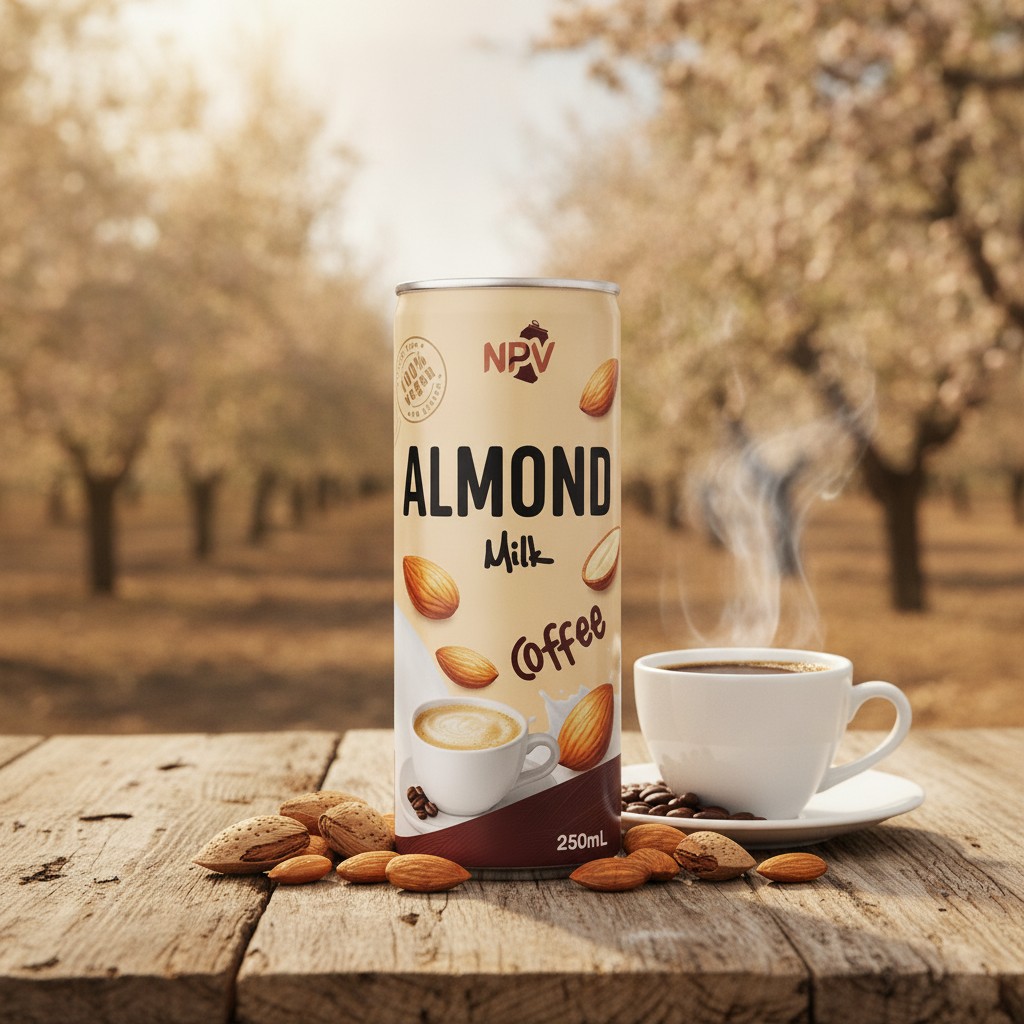
The 250ml aluminum can is a strategic choice for the U.S. market. Aluminum cans offer superior protection against light and oxygen, preserving the freshness and flavor of the beverage for up to 12 months. This extended shelf life is crucial for importers who need to manage inventory across long supply chains. Additionally, the sleek design and easy-open ring pull enhance shelf appeal, making the product stand out in crowded retail environments such as convenience stores, supermarkets, and vending machines.
For distributors targeting the hospitality sector, the single-serve can format is equally advantageous. Hotels, coffee shops, and food service providers can offer a premium plant-based coffee option without the need for refrigeration or complex preparation. The private label coffee beverage capability allows these businesses to brand the product under their own label, creating a unique offering that differentiates them from competitors. This flexibility is a significant advantage in a market where brand loyalty is often tied to perceived quality and innovation.
Market Opportunities for Importers and Distributors
The U.S. market is vast and diverse, but certain segments are particularly ripe for growth. Health-conscious millennials and Gen Z consumers are driving demand for plant-based products, while the rise of remote work has increased at-home coffee consumption. However, the convenience factor remains paramount. Products that can be consumed on the go, without preparation, are gaining traction. The Plant Based 100% Vegan Almond Coffee Drink fits perfectly into this narrative, offering a ready-to-drink solution that requires no additional steps.
Another key opportunity lies in the specialty coffee segment. While traditional coffee drinkers may prefer black coffee or espresso-based drinks, a growing number of consumers are exploring flavored and blended options. The subtle sweetness and nutty flavor of almond coffee appeal to those who find black coffee too bitter or dairy-based creamers too heavy. By positioning this product as a premium alternative, importers can target upscale retailers and cafes that cater to discerning customers.
Furthermore, the vegan almond coffee drink category is gaining visibility through social media and influencer marketing. Platforms like Instagram and TikTok have amplified trends such as #PlantBasedCoffee and #VeganCoffee, creating a buzz that translates into retail demand. Distributors who act early to secure supply from reliable manufacturers can capitalize on this momentum before the market becomes saturated.
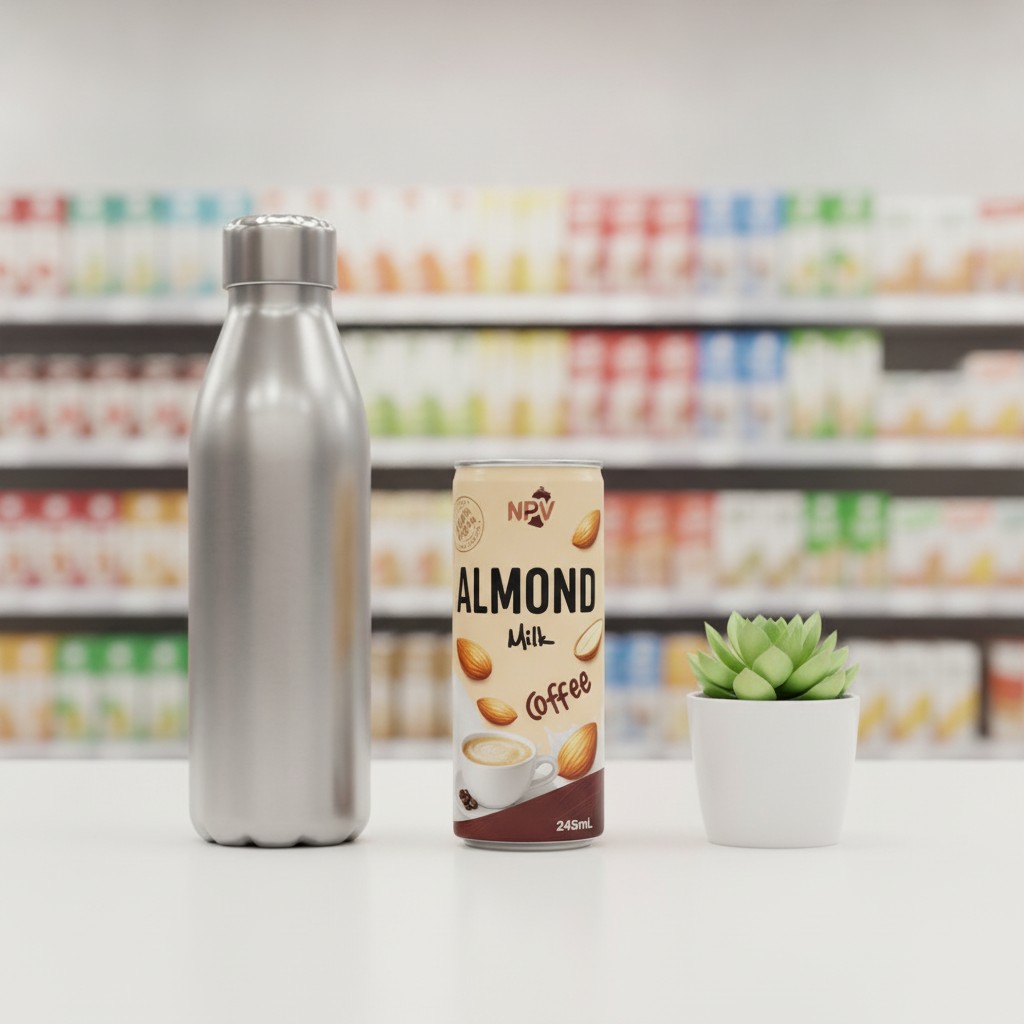
Sourcing from Vietnam: A Strategic Advantage for U.S. Buyers
Vietnam has emerged as a major hub for beverage manufacturing, offering cost-effective production without compromising quality. For U.S. importers, sourcing from Vietnam provides several advantages. The country has a robust supply chain for coffee and almonds, ensuring consistent access to high-quality raw materials. Manufacturers like NPV Beverage operate modern facilities with certifications such as HACCP, HALAL, ISO, GMP, and FSSC, which are essential for meeting U.S. import regulations and retailer requirements.
The plant based coffee drink segment benefits from Vietnam’s expertise in tropical beverage production. With a monthly capacity of approximately 1,200 containers and 50 production lines, NPV can handle large-scale orders while maintaining strict quality control. This scalability is critical for U.S. distributors who need to ensure supply continuity, especially during peak seasons. Additionally, the ability to customize packaging—from label design to case configurations—allows buyers to tailor the product for specific retail channels, whether it’s for a national supermarket chain or a regional convenience store network.
Private Label and OEM Opportunities
One of the most compelling aspects of partnering with a Vietnamese manufacturer is the availability of private label and OEM services. U.S. brands can leverage the expertise of manufacturers like NPV to develop a unique product that reflects their brand identity. This includes adjusting sweetness levels, caffeine content, or flavor intensity to match local preferences. The OEM model also reduces the need for upfront investment in production facilities, allowing businesses to focus on marketing and distribution.
For smaller distributors or specialty coffee roasters, the low minimum order quantities (MOQ) offered by Vietnamese suppliers make it feasible to test the market without significant financial risk. Once a product gains traction, scaling up is straightforward, thanks to the manufacturer’s high production capacity. This flexibility is a key reason why many U.S. importers are turning to Vietnam for their plant-based beverage needs.
Navigating Regulatory and Certification Requirements
Importing beverages into the United States requires compliance with strict regulations set by the Food and Drug Administration (FDA). While the product itself cannot be marketed with health claims, it must meet safety standards for ingredients, packaging, and labeling. Certifications such as HACCP and FSSC provide assurance that the manufacturing process adheres to international food safety protocols. For U.S. buyers, working with a certified supplier simplifies the import process and reduces the risk of delays or rejections at customs.
Additionally, the plant-based nature of the product aligns with the growing demand for allergen-friendly options. The absence of dairy makes it suitable for lactose-intolerant consumers, while the vegan certification appeals to ethical shoppers. These attributes can be highlighted in marketing materials without making direct health claims, focusing instead on lifestyle preferences and ingredient transparency.
Conclusion: Positioning for Success in the U.S. Market
The U.S. beverage market is evolving, and plant-based coffee drinks are at the forefront of this change. For importers, distributors, and F&B businesses, the Plant Based 100% Vegan Almond Coffee Drink 250ml Cans represents a strategic opportunity to capture a growing segment of consumers who value taste, convenience, and ethical consumption. By sourcing from certified manufacturers in Vietnam, buyers can access high-quality products at competitive prices, with the flexibility to customize for their target audience.
To explore this opportunity further, visit the plant based coffee drink product page for detailed specifications and partnership options. Additionally, check out our milk drink category for more plant-based beverage solutions.
Frequently Asked Questions
What makes the Plant Based 100% Vegan Almond Coffee Drink different from regular iced coffee?
This product is made with 100% plant-based ingredients, using almond milk instead of dairy. It is vegan-friendly, contains no GMOs, and has a smooth, nutty flavor profile. The 250ml can format is also designed for convenience, requiring no refrigeration or preparation.
Can I customize the product for my brand through private label or OEM services?
Yes, manufacturers like NPV Beverage offer full private label and OEM/ODM services. You can customize the label design, packaging, sweetness level, and even the caffeine content to match your target market. Minimum order quantities are flexible to accommodate both small and large runs.
What certifications does the manufacturer hold for export to the USA?
NPV Beverage is certified with HACCP, HALAL, ISO, GMP, FSSC, ORGANIC, and SMETA/BSCI. These certifications ensure compliance with international food safety standards, making the product suitable for import into the U.S. market.
What is the shelf life of the almond coffee drink, and how should it be stored?
The product has a shelf life of 12 months when stored at ambient temperature, away from direct sunlight. The aluminum can packaging protects the beverage from light and oxygen, ensuring freshness throughout its shelf life.
What is the typical lead time for bulk orders to the USA?
Lead times vary depending on order volume and customization requirements. Generally, bulk orders can be shipped within 30-45 days after order confirmation. Contact the manufacturer directly for specific timelines and shipping options.