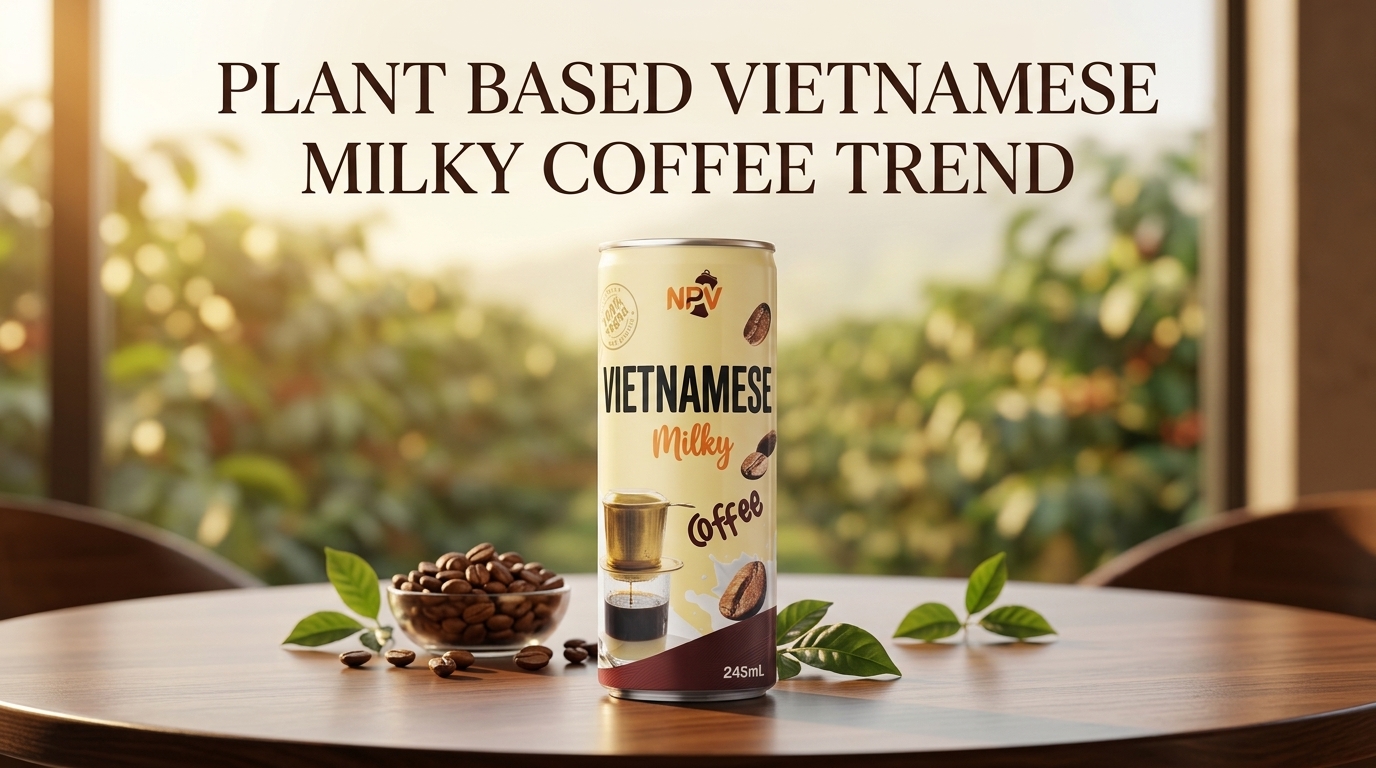
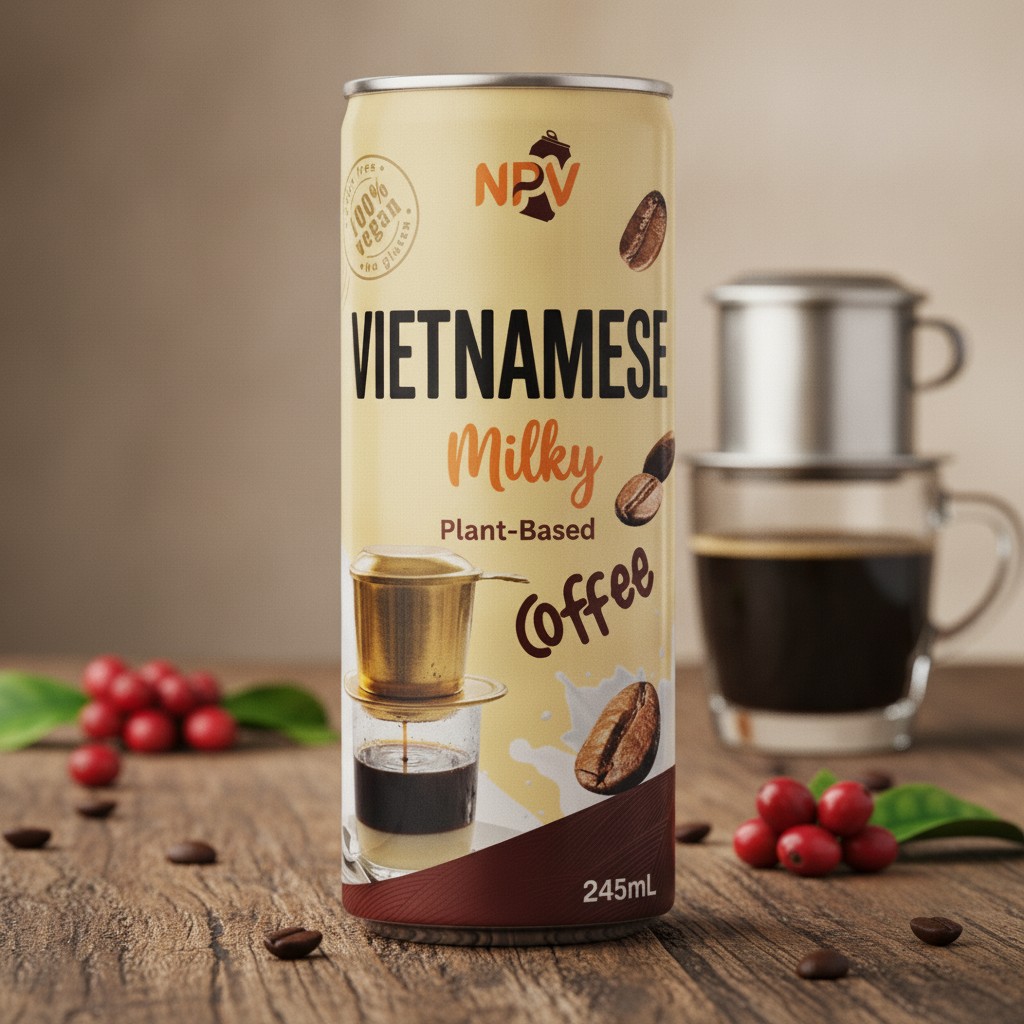
The global beverage industry is witnessing a significant shift as consumers increasingly seek products that align with their ethical and dietary preferences. Among the emerging categories, the plant based milk coffee segment is experiencing remarkable growth, driven by the rise of veganism and lactose intolerance awareness. For B2B buyers, this presents a unique opportunity to source innovative products that cater to this demand. One such product gaining attention is the Plant Based 100% Vegan Vietnamese Milky Coffee Drink in 250ml cans, a ready-to-drink (RTD) option that combines authentic Vietnamese coffee with plant-based milk. This article explores why this product is creating new opportunities in the market, focusing on key trends, sourcing strategies, and market insights for importers and distributors.
Key Takeaways
- The global plant based milk coffee market is expanding rapidly, driven by vegan and flexitarian trends.
- Vietnamese coffee offers a unique flavor profile that differentiates products in competitive markets like the USA and Europe.
- Private label and OEM services allow buyers to customize packaging and branding to local preferences.
- Certifications such as HACCP, HALAL, and ISO ensure product safety and market access.
- Sourcing from Vietnam provides cost advantages and reliable supply chains for bulk orders.
Market Trends Driving Demand for Plant Based Milk Coffee
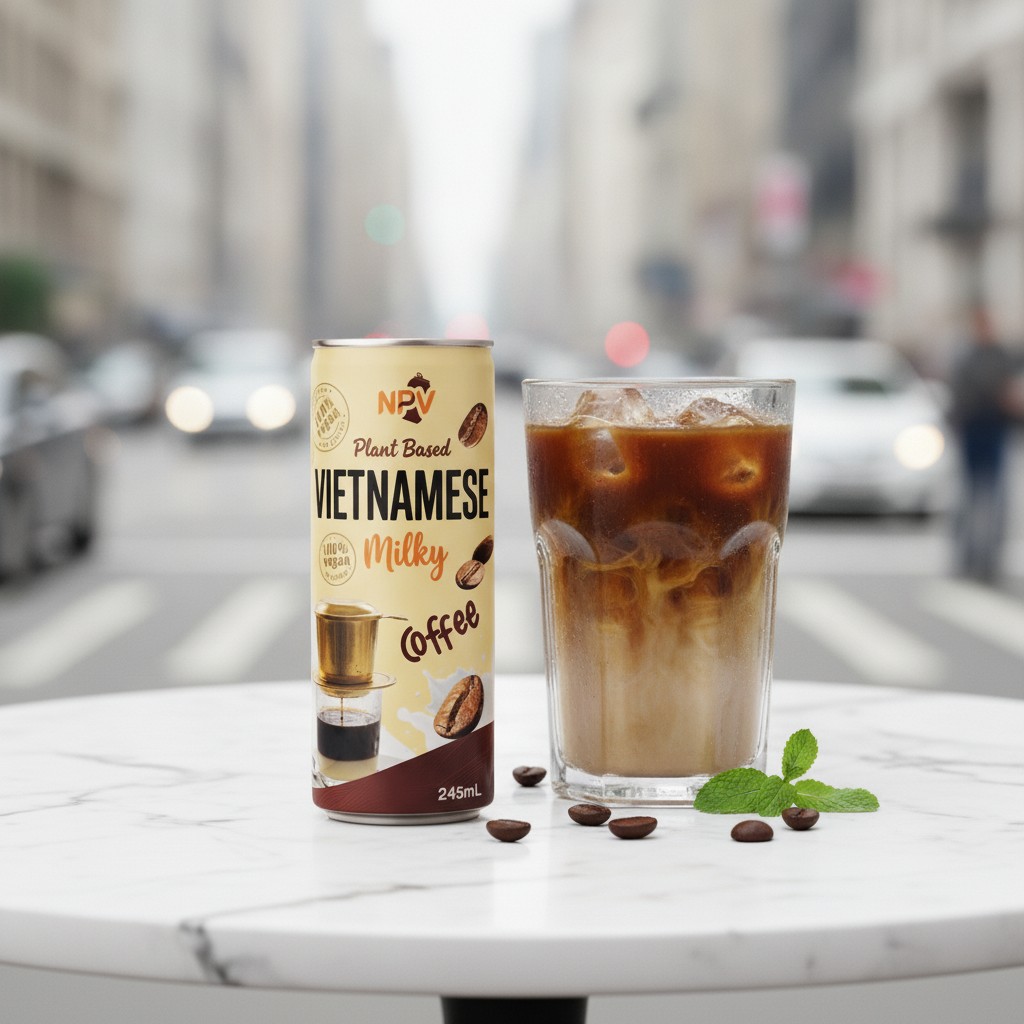
The rise of plant-based diets is no longer a niche trend but a mainstream movement. According to recent industry reports, the global plant-based beverage market is projected to reach over $100 billion by 2030, with coffee-based products accounting for a significant share. Consumers, particularly in North America and Europe, are actively seeking vegan coffee drink bulk options that offer convenience without compromising on taste. The 250ml can format is ideal for on-the-go consumption, fitting seamlessly into busy lifestyles. This trend is further amplified by the growing awareness of lactose intolerance, which affects approximately 68% of the global population. For importers, this means a ready market for products like the Vietnamese milky coffee drink, which uses plant-based milk instead of dairy.
Why Vietnamese Coffee Stands Out in the Global Market
Vietnamese coffee is renowned for its bold, robust flavor, often achieved through a unique brewing process using Robusta beans. This intensity makes it a perfect base for milky coffee drinks, as it cuts through the creaminess of plant-based milk. The private label coffee drink market is particularly interested in this differentiation, as it allows brands to offer a distinct product in a crowded field. For example, in the US market, where cold brew and RTD coffee are popular, a vegan Vietnamese coffee drink can attract consumers looking for authentic international flavors. Additionally, the product’s 12-month shelf life and ambient storage requirements make it suitable for long-distance shipping, reducing logistics costs for buyers.
Target Market Analysis: USA and Europe
United States
The US is the largest importer of coffee products, with a growing segment for plant-based RTD beverages. Millennials and Gen Z consumers, who are driving the plant-based trend, are willing to pay a premium for products that are both ethical and flavorful. The OEM coffee can approach allows US distributors to brand the product under their own label, catering to local tastes. For instance, adjusting sweetness levels or adding flavor notes can be done through OEM services. The product’s HALAL certification also opens doors to the diverse Muslim population in the US, which is estimated at over 3 million. With a monthly capacity of ~1200 containers, suppliers like NPV can meet large-scale demands from US retail chains and convenience stores.
Europe
Europe is a mature market for coffee, but the plant-based segment is growing at over 15% annually. Countries like Germany, the UK, and the Netherlands have high vegan populations, with Germany alone having over 1.5 million vegans. The Vietnamese coffee supplier advantage lies in the product’s unique origin story, which appeals to consumers interested in fair trade and sustainability. European importers can leverage this by highlighting the product’s Vietnamese heritage on packaging. Additionally, the product’s ISO and HACCP certifications ensure compliance with stringent EU food safety regulations, reducing barriers to entry. The 250ml can size is popular in vending machines and office coffee services, which are common in European workplaces.
Sourcing and OEM Opportunities for Buyers
For B2B buyers, sourcing a plant based milk coffee product from Vietnam offers several advantages. First, Vietnam is one of the world’s largest coffee producers, ensuring a consistent supply of high-quality beans. Second, the country’s manufacturing sector has invested heavily in modern production lines, with facilities like NPV operating 50+ lines and a monthly capacity of ~600 containers. This scale allows for competitive pricing and flexible MOQs. Buyers can choose from various packaging options, including aluminum cans, PET bottles, and glass bottles, depending on their market needs. Private label services are particularly attractive for startups and established brands looking to expand their product lines without investing in manufacturing.
Customization and Quality Control
OEM/ODM services allow buyers to customize everything from flavor profiles to packaging design. For example, a distributor targeting the European market might request a lower sugar variant, while a US buyer might prefer a stronger coffee flavor. The R&D team works closely with clients to develop unique formulations. Quality control is paramount, with certifications like HACCP, HALAL, ISO, GMP, FSSC, ORGANIC, and SMETA/BSCI ensuring product safety and ethical production. These certifications are crucial for gaining shelf space in major retail chains and for meeting the requirements of health-conscious consumers.
Logistics and Supply Chain Considerations
When importing from Vietnam, understanding logistics is key. The product’s 12-month shelf life and ambient storage requirements simplify shipping, as no cold chain is needed. Standard shipping from Ho Chi Minh City to the US West Coast takes approximately 14-18 days, while to Europe it takes 20-25 days. Bulk packaging options, such as trays and shrink wraps, minimize damage and reduce shipping costs. Buyers should also consider the MOQ, which is negotiable for B2B partners. For smaller buyers, sample orders are available to test the market before committing to large volumes. The supplier’s experience in exporting to 130+ countries ensures familiarity with customs documentation and labeling requirements.
[IMAGE_3]
Consumer Preferences and Flavor Innovation
The success of a vegan coffee drink bulk product depends on its ability to meet consumer expectations for taste and texture. The Vietnamese milky coffee drink offers a creamy, smooth texture thanks to the plant-based milk, which is often made from coconut or soy. The sweetness is balanced, making it suitable for all-day consumption. For buyers, this means lower risk of product rejection. Additionally, the product can be positioned as a premium alternative to traditional dairy-based coffee drinks, appealing to the growing number of flexitarians. Flavor innovation is also possible through OEM partnerships, allowing buyers to introduce seasonal variants like pumpkin spice or mocha.
Competitive Landscape and Differentiation
The RTD coffee market is crowded, with major players like Starbucks and Nestlé dominating. However, the private label coffee drink segment offers opportunities for differentiation. By sourcing a product with a unique Vietnamese coffee profile, buyers can create a niche that stands out. The plant-based aspect is a key differentiator, as few mainstream brands offer vegan options. Additionally, the product’s HALAL certification appeals to the Middle Eastern market, which is a significant importer of Vietnamese coffee. For buyers targeting this region, the product’s origin and certifications provide a strong selling point.
Conclusion: A Strategic Addition for Global Buyers
The Plant Based 100% Vegan Vietnamese Milky Coffee Drink in 250ml cans represents a strategic opportunity for importers and distributors looking to capitalize on the plant-based trend. With its authentic flavor, flexible OEM options, and strong certification framework, it is well-positioned for markets like the USA and Europe. By partnering with a reliable supplier like NPV, buyers can access a high-quality product that meets consumer demand for ethical, convenient, and delicious beverages. For more information on sourcing options, explore the milk drink product range or learn about the company’s manufacturing capabilities.