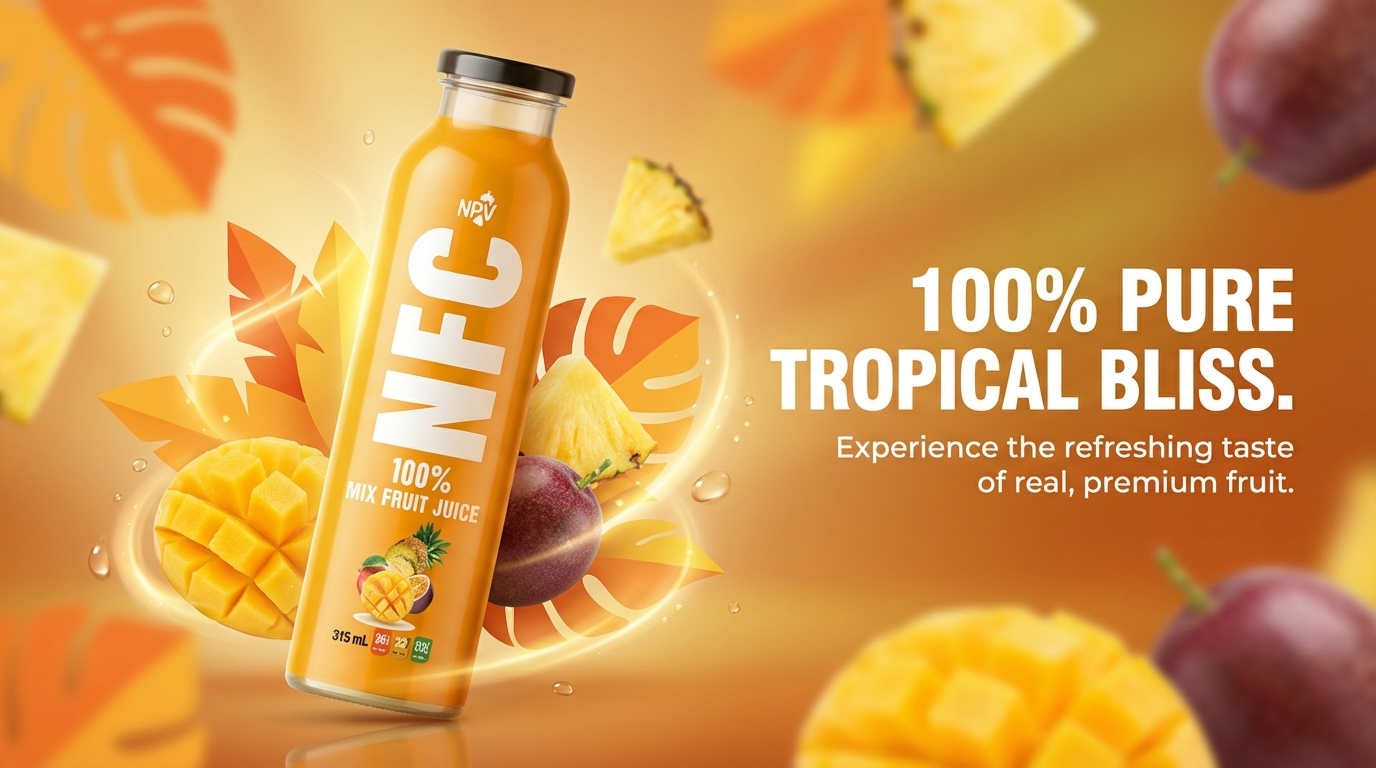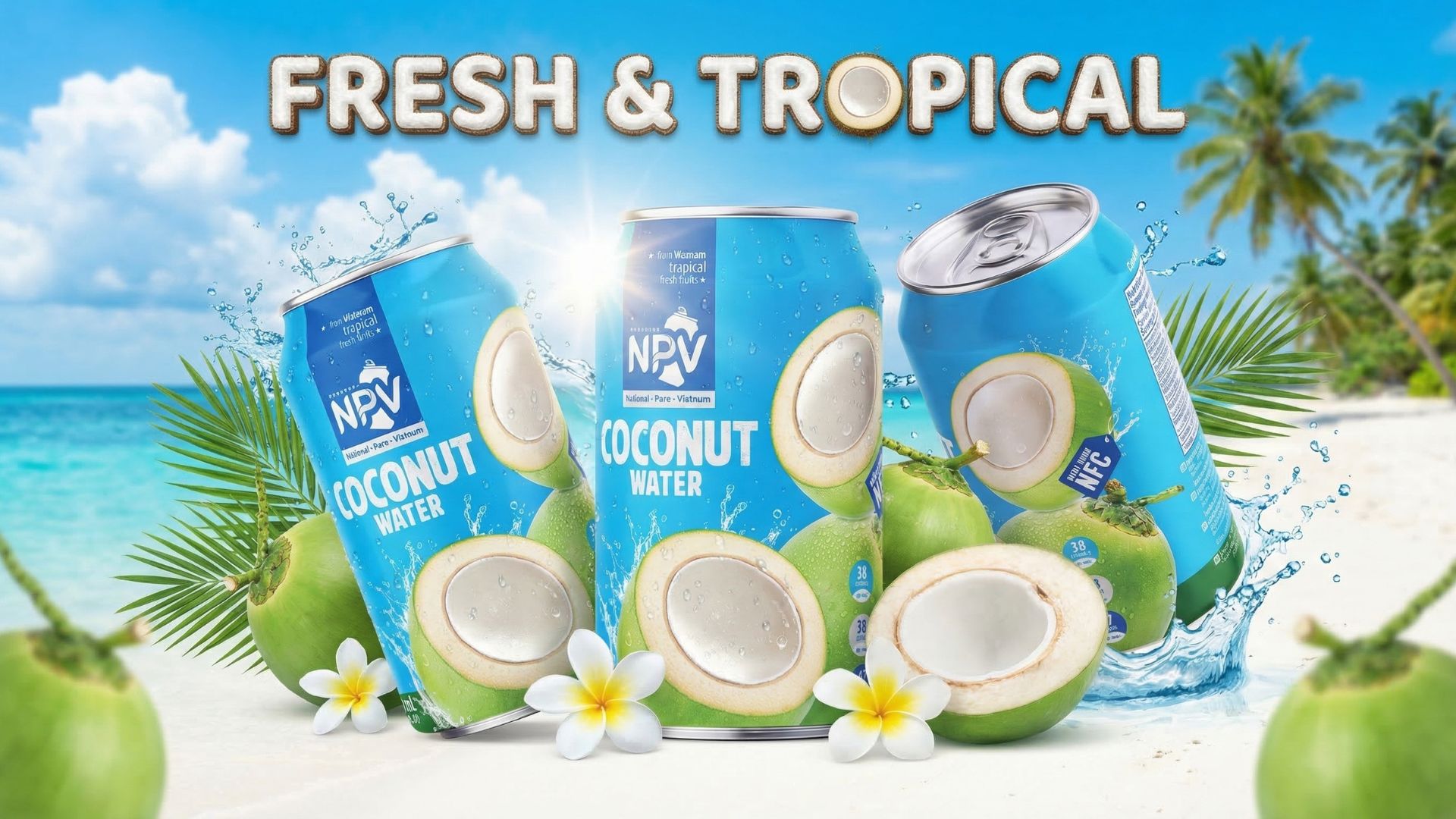

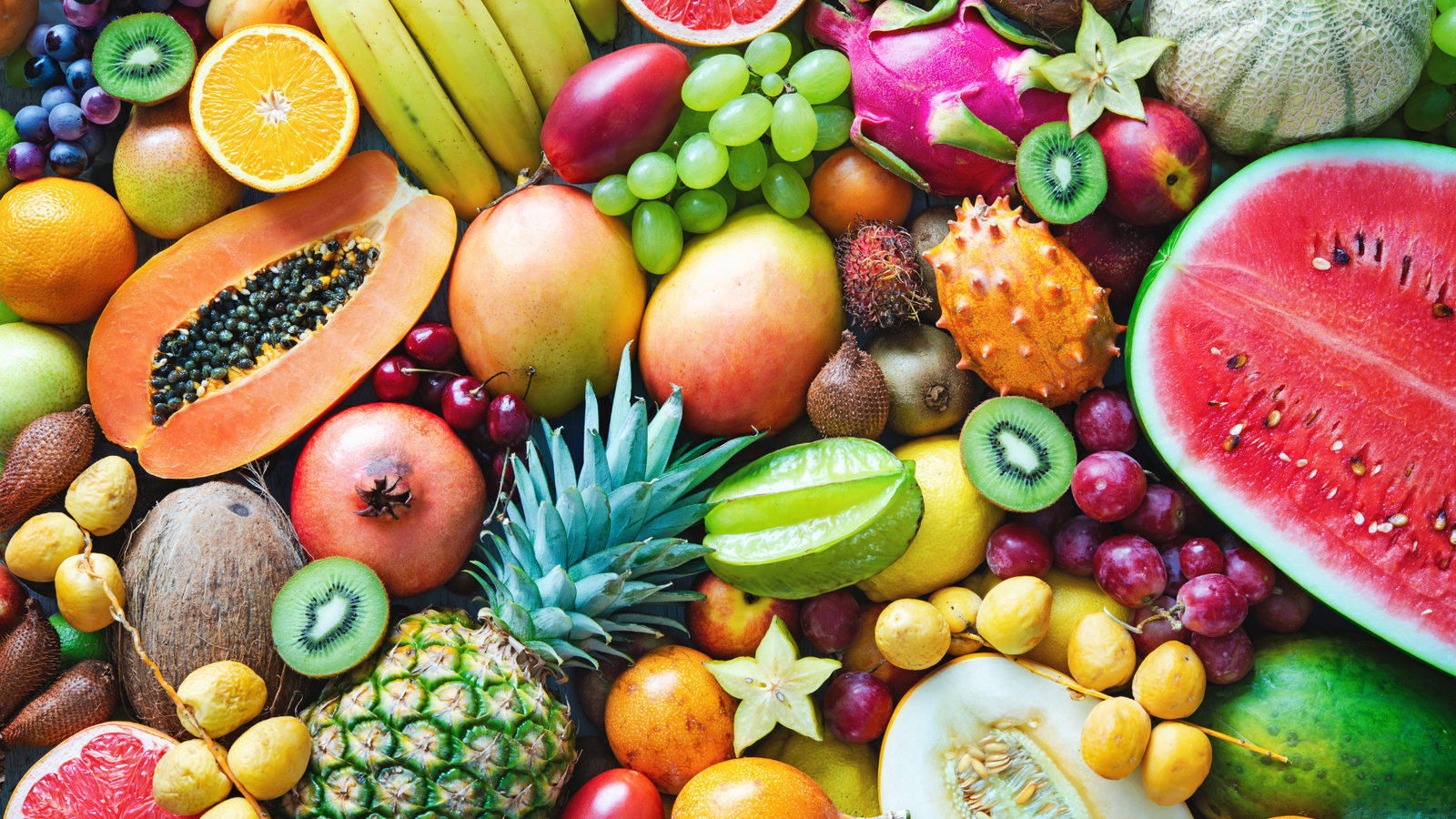
Vietnam is no longer just a place where tropical fruits grow abundantly. It is quickly becoming a strategic sourcing and manufacturing hub for the global beverage industry. In the middle of this surge stands Nguyen Pham Viet Beverage Co., Ltd (NPV)—a Vietnam-based producer focused on turning local fruit advantages into scalable, export-ready drinks for international partners. From orchard mapping to factory standardization, NPV is building a supply chain that is both resilient and flexible, designed for today’s fast-moving beverage market.
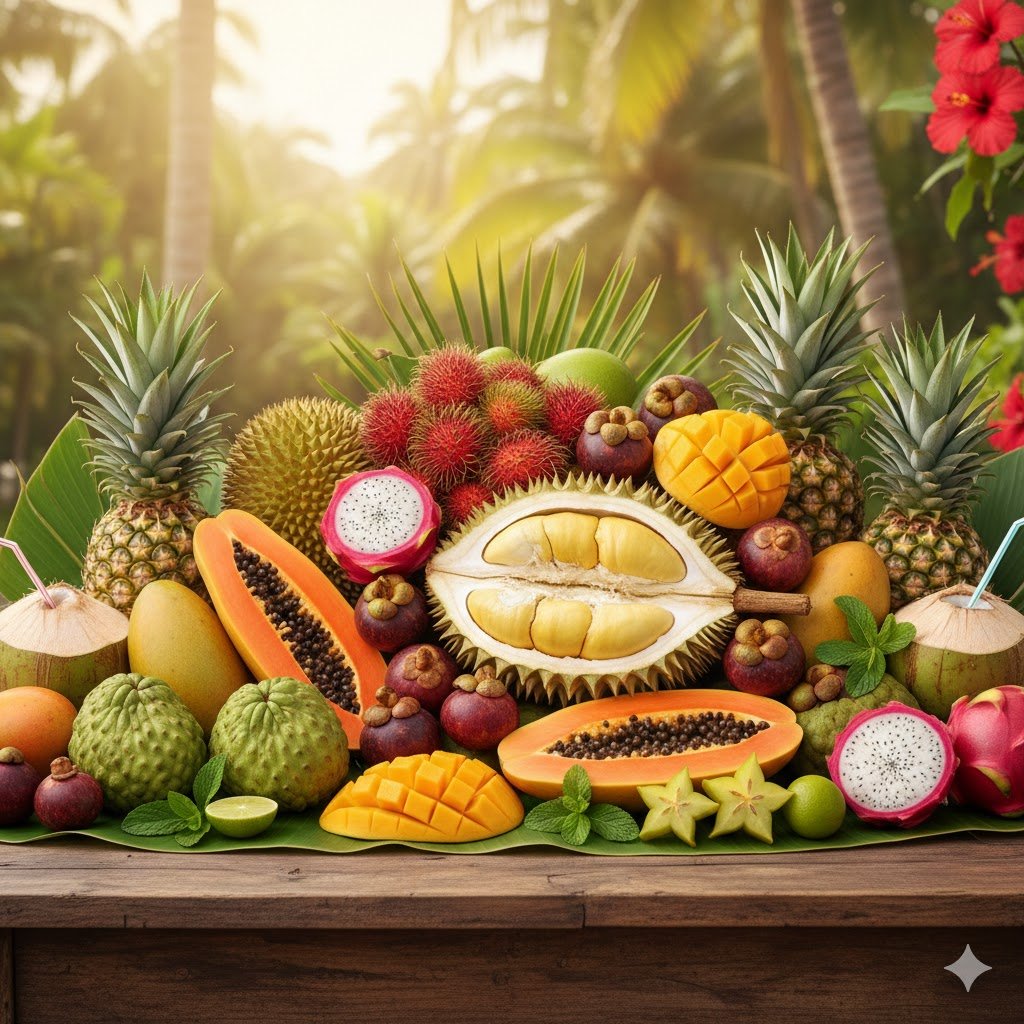
What makes Vietnam special is not only the variety of fruits—mango, guava, passion fruit, pineapple, dragon fruit, mangosteen, soursop, coconut—but also the ability to harvest multiple seasons throughout the year. This creates a stable flavor pipeline for brands that need consistent raw materials. NPV positions itself as a bridge between these high-quality fruit regions and the global market, producing Fruit Juice, sparkling drinks, textured beverages, and mixed tropical lines that match international taste trends.
More importantly, NPV is not trying to compete by being “the cheapest factory.” The company’s strategy is to be the most dependable: reliable supply, consistent flavor, strong production discipline, and customization through OEM and ODM. For beverage importers and private label brands, that dependability becomes the real value.
Key takeaways
- Vietnam’s tropical fruit regions offer stable, diverse raw materials for global beverage brands
- Nguyen Pham Viet Beverage Co., Ltd leverages sourcing + manufacturing to reduce risk for partners
- NPV focuses on consistency and export standards, not short-term volume chasing
- Vietnam Juice Manufacturer advantages are strongest when paired with structured supply chain control
- NPV’s OEM/ODM model helps brands launch faster with flexible formulations and packaging
- Long-term raw ingredient planning is becoming a competitive edge in tropical beverages
Vietnam’s Fruit Regions Are a Natural Advantage for Beverage Supply
Vietnam sits in a unique agricultural belt that supports both high-yield and high-flavor fruits. The Mekong Delta alone is one of Southeast Asia’s most productive regions, often called the “fruit basket” of Vietnam. With its river-rich soil and warm climate, the delta produces fruits that are ideal for juice, pulp beverages, and tropical blends.
For beverage brands, ingredients are not just agricultural products—they are business stability. A drink may be trendy this year, but without stable fruit sourcing, the trend becomes impossible to scale. Vietnam provides an advantage through:
Year-round fruit availability
Unlike some regions where tropical fruits are seasonal and limited, Vietnam has multi-harvest cycles. Mangoes, passion fruit, pineapple, and guava can be supplied in planned rotations. This allows NPV to contract and reserve volumes ahead of time, avoiding abrupt shortages.
Diversity of flavor profiles
Vietnam’s fruit varieties often have distinct aroma and sweetness levels compared with other producing countries. For example, Vietnamese pineapple tends to be fragrant and crisp; guava has a bold tropical perfume; passion fruit delivers sharp acidity balanced by floral notes. These profiles matter in modern Tropical Fruit Juice and sparkling lines where flavor identity is key.
Competitive logistics within Vietnam
Because fruit farms and processing zones are geographically close, transportation time is shorter. Fruits can be processed closer to peak ripeness, which improves taste consistency. NPV works within this advantage by selecting sourcing areas based on harvest rhythm and distance to factory.
How NPV Structures a Reliable Fruit Supply Chain
Many beverage companies can buy fruit. Fewer can consistently transform fruit into an ingredient system that supports export production. NPV’s reliability comes from how it organizes four critical links: selection, season planning, intake processing, and traceability.
Ingredient selection based on beverage performance
NPV doesn’t only select fruit by appearance. It selects fruit by how it behaves in beverages—sweetness stability, acidity level, pulp texture, aroma after pasteurization, and blend compatibility. This is crucial for products like Fruit Juice with nata de coco, aloe pulp, and popping boba where texture and taste must remain stable through shelf life.
Harvest and season planning
Instead of chasing market leftovers, NPV prioritizes planned sourcing. The company aligns production schedules with fruit calendar forecasts, including buffer inventory for high-demand months. This reduces risk for export partners who need predictable shipments.
Intake processing and grading
Before fruit becomes juice, NPV runs intake grading:
- sugar/acid ratio checks
- aroma and ripeness evaluation
- pulp firmness and fiber testing
- microbial control at reception
These steps reduce batch variation and prevent the “good first shipment, inconsistent second shipment” issue that international buyers often face when sourcing from emerging markets.
Traceability is built into daily operations
NPV maintains batch-level traceability. This does not only satisfy regulatory requirements; it also supports product consistency. If a specific harvest zone yields the best flavor for a mango blend, NPV can prioritize that region in future planning.
Production Discipline: Turning Fruit Into Export-Ready Drinks
Reliable supply means nothing without controlled manufacturing. NPV’s strength is its ability to translate raw fruit quality into stable finished products, especially in modern categories such as:
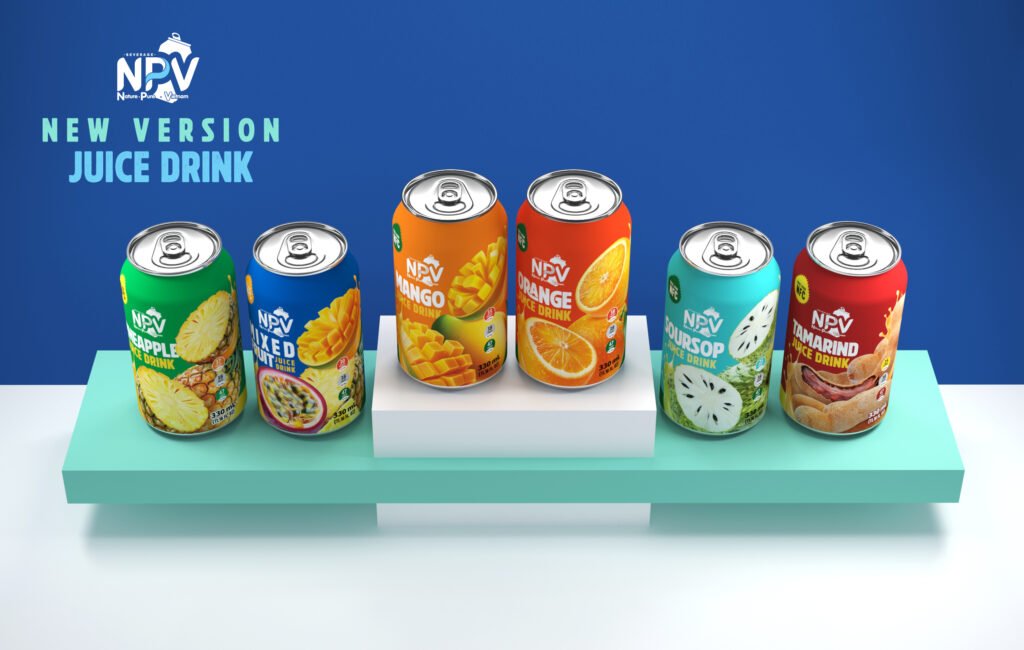
- Fruit Juice in Can
- mixed tropical blends
- sparkling fruit drinks
- textured drinks with nata de coco or aloe
- popping boba lines
- RTD tropical tea and mocktail-style beverages
Each category needs careful balancing of flavor clarity and shelf stability.
Consistent formulation control
NPV’s R&D and QC teams focus on “flavor repeatability.” That means every batch must match a set flavor standard established during product development. Repeatability is the main reason international OEM buyers return—because their consumers expect the same taste each time.
Sterilization and filling stability
NPV applies industrial filling systems that protect aroma while ensuring safety. Proper sterilization is vital for tropical fruits because their natural sugar profile can increase fermentation risk if not managed correctly. Export markets require long shelf life, stable color, and no off-flavor drift. NPV designs its processes to meet those expectations.
Packaging that supports global logistics
A beverage is only export-ready when the packaging survives shipping distances. NPV develops beverages across multiple formats: sleek cans, standard cans, PET bottles, glass bottles, and cartons. For partners, that means they can match the best format for their sales channels without changing suppliers.
Why Global Buyers Look for Vietnam Juice Manufacturers Now
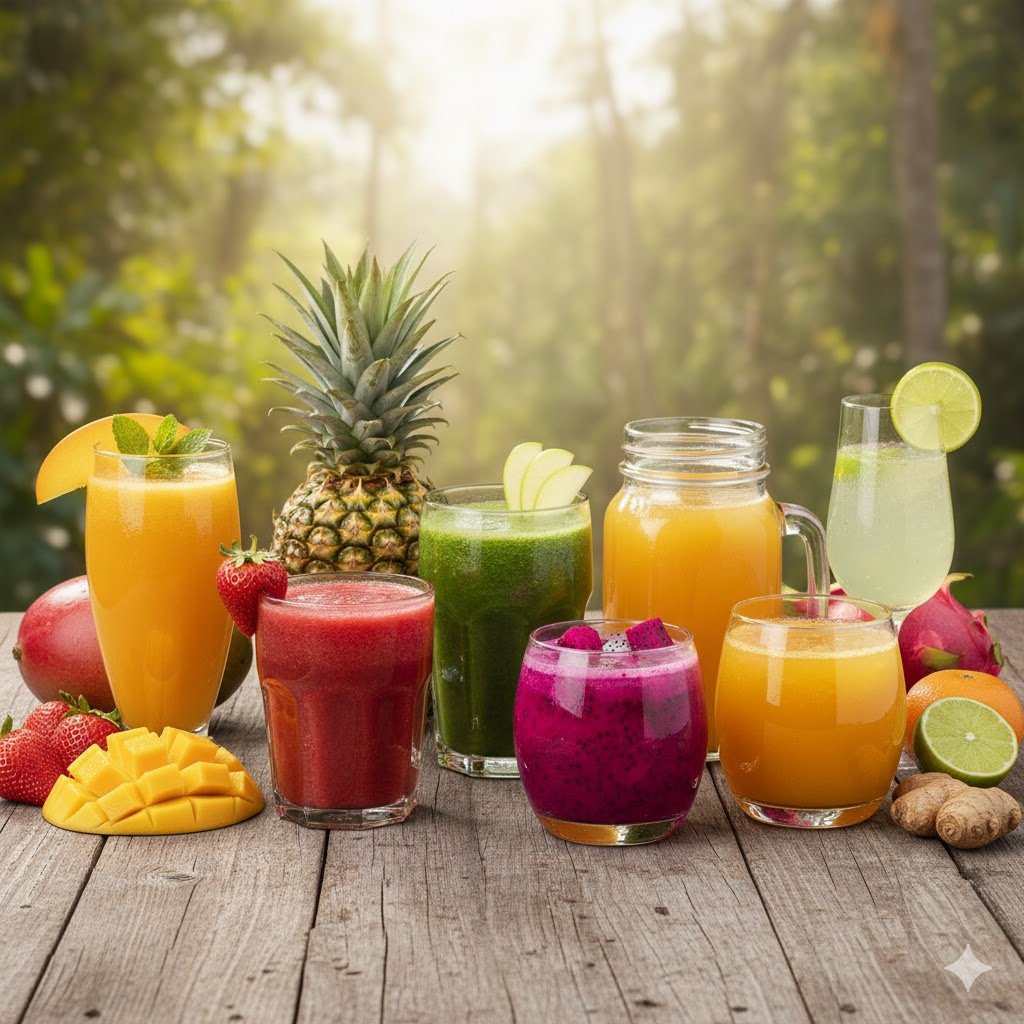
Across Europe, the Middle East, and Asia-Pacific, beverage importers are searching for Vietnam Juice Manufacturer partners for three main reasons:
Scale with flexibility
Vietnam’s production costs allow scalability, but modern buyers also demand customization. NPV addresses both: large-scale output paired with ODM development, allowing brands to launch unique flavors quickly.
Faster trend responsiveness
Textured beverages, tropical mocktails, and fruit coffee hybrids are moving fast in the market. Buyers don’t want a factory that needs a year to develop a line. NPV’s development pipeline helps shorten lead time from concept to shipment.
Strong fruit identity
Consumers worldwide are shifting toward authentic fruit taste and recognizable ingredients. Vietnam’s fruit reputation supports that, especially for guava, dragon fruit, mango, passion fruit, and coconut-based drinks.
NPV’s OEM/ODM Partnership Model
NPV is structured to serve both private label clients and brand owners. The difference is not only in label printing—it’s in how the partnership works.
OEM: You bring the formula, NPV brings production stability
International buyers who already have formulations can rely on NPV for stable manufacturing. This includes matching target sweetness, acidity, pulp content, and carbonation profiles.
ODM: NPV develops with you from idea to shelf
For buyers who want speed and uniqueness, NPV’s ODM model supports concept creation, flavor mapping, test batches, packaging selection, and regulatory alignment. This is particularly valuable for new-market brands that want to enter tropical drink categories fast.
Export support as part of service
NPV aligns product specs with destination market needs such as labeling formats, ingredient declarations, and shipping documentation. This reduces back-and-forth delays for buyers.
The Strategic Role of the Mekong Delta for NPV
NPV’s supply chain advantage is strongest because of its access to Mekong Delta fruit sources. The region isn’t just a farm area—it is a controlled ingredient zone for NPV’s long-term growth.
Stable raw material foundation
The Delta provides consistent fruit volumes that allow NPV to plan far ahead. This makes NPV a strategic partner for brands that require multi-year sourcing stability.
Premium tropical flavor for export blends
Global consumers want “tropical authenticity.” Mekong fruits deliver that naturally: rich aroma, strong color, and balanced sweetness. This is why so many of NPV’s export-ready blends feature Mekong-sourced fruit.
Sustainability through local relationships
Instead of rotating suppliers for price, NPV builds longer-term sourcing relationships. These relationships help maintain stable quality year after year, which is essential for brand trust.
Looking Ahead: Vietnam’s Supply Chain Is Becoming a Global Beverage Asset
The beverage world is changing quickly. Brands want new flavors, new textures, and stable global sourcing all at once. Vietnam’s fruit advantage—combined with structured manufacturing—positions the country as a rising beverage powerhouse.
For NPV, the opportunity is clear: build a supply chain that doesn’t just feed production, but feeds long-term partnerships. The company is moving toward deeper fruit-zone planning, broader textured drink development, and more export customization.
If the global market is looking for a dependable tropical beverage partner, Nguyen Pham Viet Beverage Co., Ltd aims to be the kind of supplier that brands can build on—not just buy from once.

FAQs
- What beverage categories does NPV specialize in?
NPV produces a wide range of tropical drinks, including Fruit Juice, sparkling fruit beverages, textured drinks with nata de coco or aloe pulp, popping boba lines, and mixed tropical blends for export and private label markets. - Why are Vietnam’s tropical fruits attractive to global beverage brands?
Vietnam provides diverse fruit varieties, multiple harvest seasons, and distinct flavor profiles. These advantages support consistent supply and authentic taste in Tropical Fruit Juice and modern RTD beverages. - How does NPV ensure consistent quality for export orders?
NPV controls sourcing through planned harvest calendars, intake grading, batch traceability, and repeatable formulation standards. Manufacturing is designed to protect aroma and maintain shelf stability. - What is the difference between OEM and ODM at NPV?
With OEM, the buyer provides the formula and NPV manufactures it consistently. With ODM, NPV co-develops the product—flavor, formulation, packaging, and export specifications—helping brands launch faster. - Can NPV customize packaging for different markets?
NPV supports multiple packaging formats such as cans, PET bottles, glass bottles, and cartons. This allows partners to choose the best format for their market without changing suppliers.
What role does the Mekong Delta play in NPV’s ingredient strategy?
The Mekong Delta is a core fruit region for NPV, providing stable volumes, premium tropical flavor, and long-term sourcing reliability that support export growth.