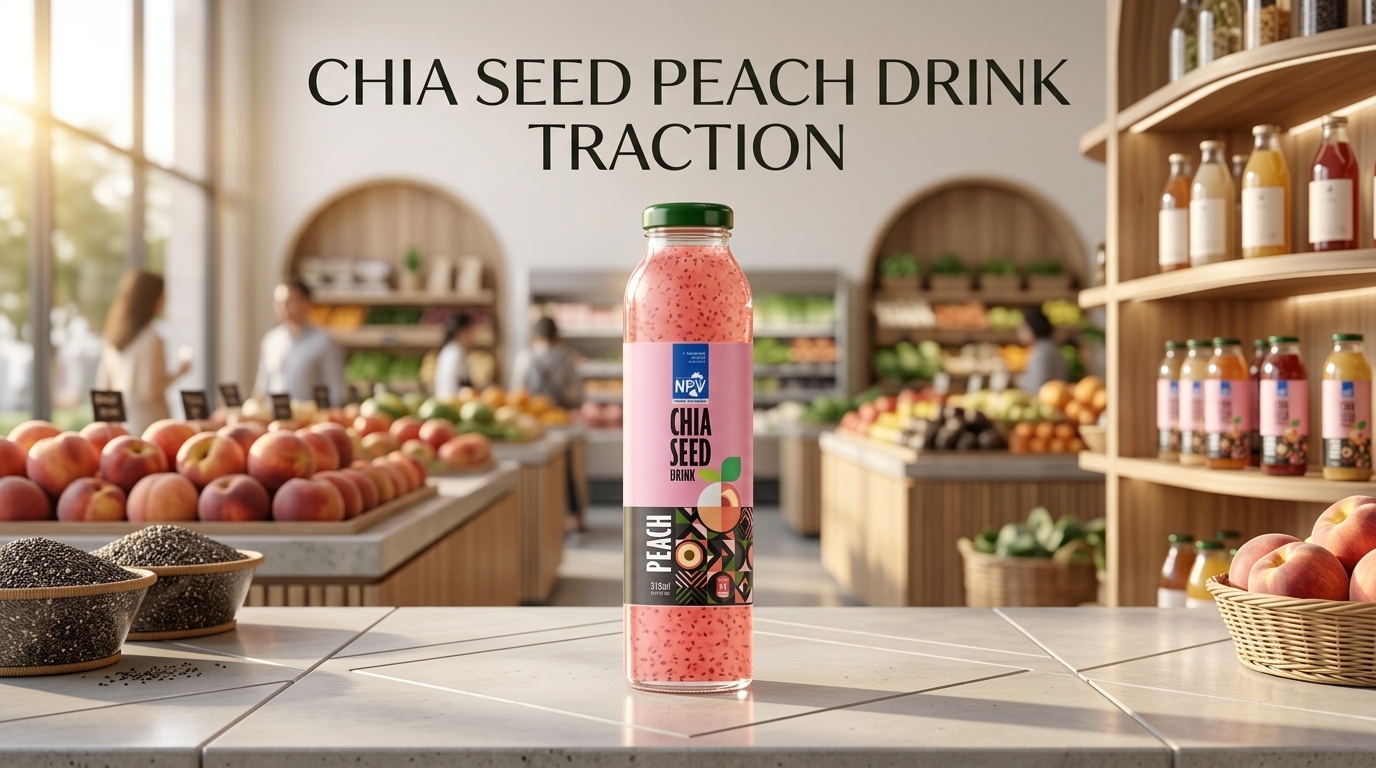
The beverage import landscape in the United States is shifting toward innovative, texture-rich options that offer a distinct point of difference on crowded shelves. Among these emerging categories, the chia seed peach drink is gaining traction among US importers seeking products that combine visual appeal with a unique mouthfeel. This analysis explores why this specific product format—a 315ml glass bottle containing peach-flavored chia seed beverage—presents a compelling opportunity for distributors and wholesalers looking to diversify their portfolios.
Key Takeaways
- The chia seed peach drink category is growing in US specialty food and beverage retail channels.
- Glass bottle packaging enhances premium perception and aligns with sustainability trends.
- Vietnamese manufacturers like NPV offer certified production with flexible OEM and private label capabilities.
- Understanding logistics, shelf life, and regulatory requirements is essential for successful importation.
- Targeting health-conscious and experience-driven consumers can accelerate market entry.
US Market Demand for Seed-Based Beverages
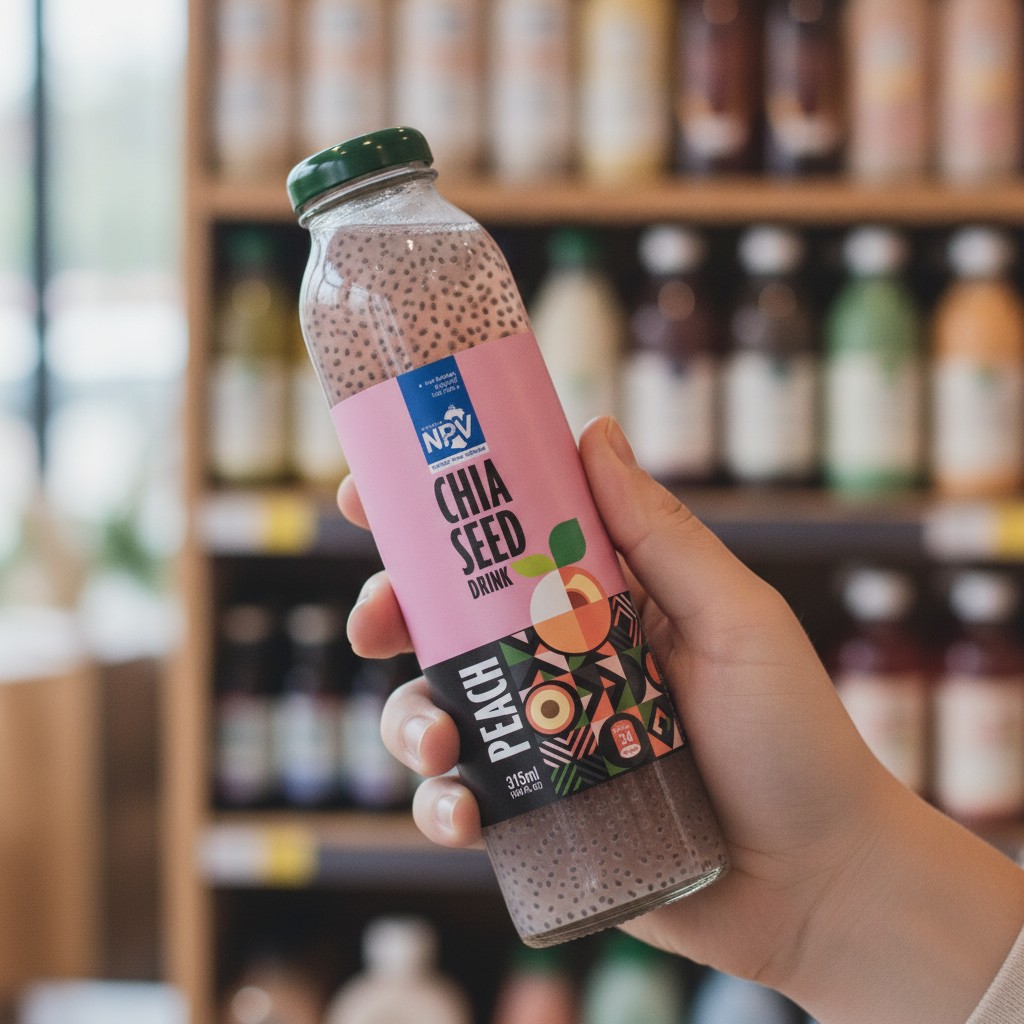
The US beverage market has seen a steady rise in products featuring seeds, grains, and other textural ingredients. While aloe vera and coconut water have established strong footholds, chia seed beverages represent a newer frontier. Importers note that American consumers are increasingly drawn to drinks that offer a sensory experience—something beyond simple refreshment. The chia seed peach drink fits this trend perfectly, combining the subtle pop of hydrated chia seeds with the familiar sweetness of peach.
According to recent trade data, imports of seed-based beverages into the US have grown at an average annual rate of 8-12% over the past three years. This growth is driven by specialty retailers, natural food stores, and online platforms catering to adventurous eaters. For importers, this means there is still room to establish a brand before the category becomes saturated. The key is sourcing a product that meets US food safety standards while maintaining an authentic, high-quality profile.
Why Glass Bottle Packaging Matters
The 315ml glass bottle format is not accidental. Glass packaging conveys a sense of quality and craftsmanship that plastic or cans often cannot match. In the US, premium beverages—particularly those positioned as natural or artisanal—frequently use glass to signal their value. The glass bottle beverage OEM capabilities at NPV allow importers to customize labels, caps, and even bottle shapes to align with their brand identity.
From a logistical perspective, glass bottles require careful handling but offer excellent barrier properties. The 12-month shelf life of this product, when stored at ambient temperature away from direct sunlight, provides ample time for distribution and retail placement. Importers should work with suppliers who provide proper packaging for international shipping, including carton boxes and pallet configurations that minimize breakage.
Evaluating Vietnamese Suppliers for Seed Drinks
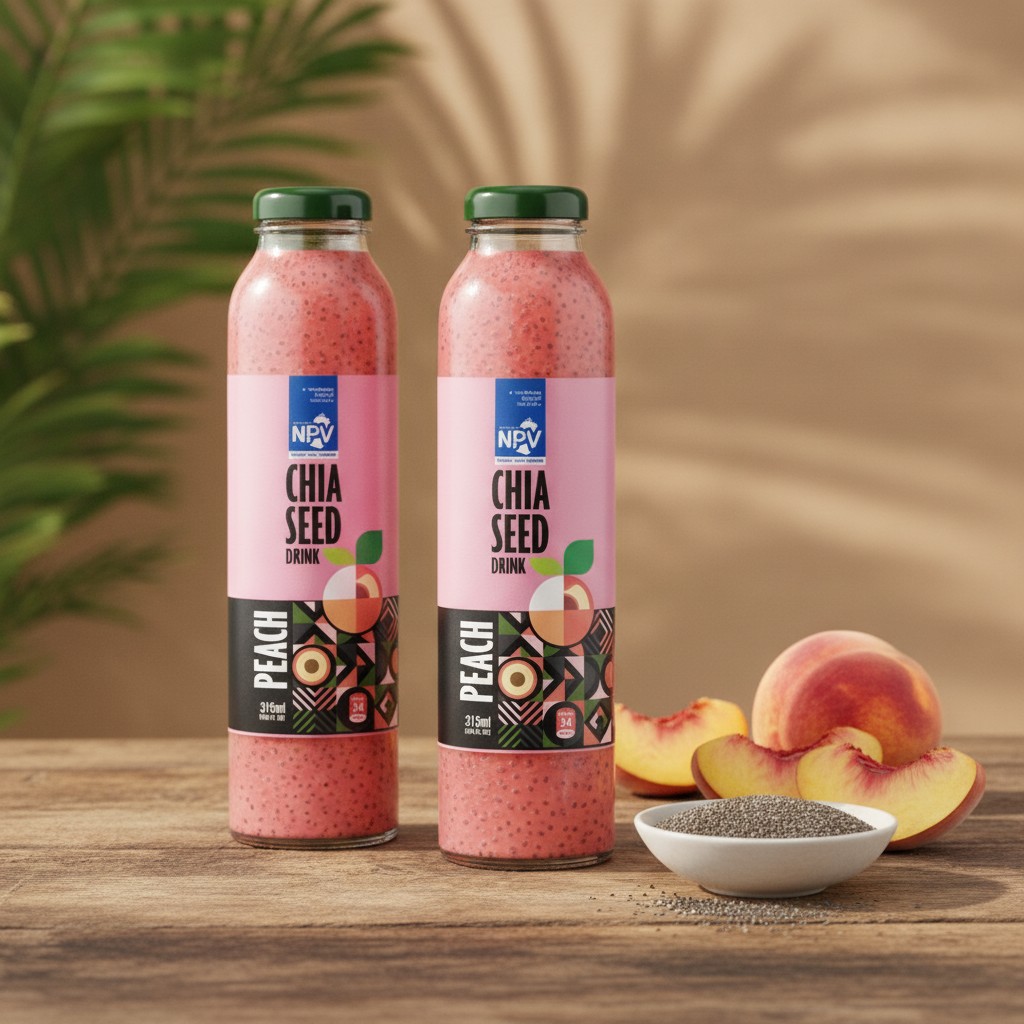
Vietnam has emerged as a major hub for beverage manufacturing, particularly for tropical and seed-based drinks. When sourcing a private label seed drink, importers must evaluate suppliers on several criteria: certifications, production capacity, quality control, and flexibility. NPV Beverage, for example, holds HACCP, HALAL, ISO, GMP, FSSC, ORGANIC, and SMETA/BSCI certifications. These credentials are critical for US importers who need to demonstrate compliance with FDA and USDA requirements.
The manufacturing facility operates 50 production lines with a monthly output of approximately 1,200 containers. This scale ensures consistent supply even for large-volume orders. For importers testing the market, NPV offers flexible minimum order quantities (MOQs) and free samples, allowing for small trial shipments before committing to larger volumes. The R&D team can also adjust sweetness levels, seed concentration, and flavor profiles to match US consumer preferences.
Quality Control and Certifications
US importers should prioritize suppliers with third-party audited certifications. NPV’s FSSC 22000 certification, for instance, is recognized by the Global Food Safety Initiative (GFSI) and is often required by major US retailers. The HACCP plan covers critical control points from raw material sourcing to final packaging. Additionally, the SMETA/BSCI social compliance audit ensures ethical labor practices, which is increasingly important for brand reputation in the US market.
Another factor is the supplier’s ability to provide documentation for US Customs and Border Protection (CBP). This includes certificates of origin, ingredient declarations, and laboratory test results. NPV’s dedicated export team prepares these documents routinely, streamlining the import process for first-time buyers.
The Role of Peach Flavor in US Consumer Preferences
Peach is one of the most universally accepted fruit flavors in the US market. It appears in everything from iced tea to yogurt, and its natural sweetness requires less added sugar compared to tart fruits. The chia seed peach drink leverages this familiarity while introducing a novel texture. For US consumers, the combination is less intimidating than purely exotic flavors like durian or jackfruit, making it an easier entry point for trying seed-based beverages.
Importers can position this product in several retail channels: natural food stores, Asian grocery chains, specialty beverage shops, and online marketplaces. The glass bottle also lends itself to foodservice applications—hotels, cafes, and restaurants can serve it as a premium non-alcoholic option. When developing a marketing strategy, emphasizing the product’s natural ingredients and unique mouthfeel can differentiate it from mainstream soft drinks.
Logistics and Shipping Considerations
Shipping glass bottles from Vietnam to the US requires careful planning. Most orders are shipped via sea freight in 20-foot or 40-foot containers. NPV packs 12 bottles per carton, with cartons arranged on pallets to minimize movement during transit. Importers should request a pre-shipment inspection to verify packaging integrity and label accuracy.
The 12-month shelf life provides a comfortable window for ocean freight (typically 20-30 days from Ho Chi Minh City to Los Angeles or Long Beach), customs clearance, and distribution to warehouses. Importers should also consider temperature fluctuations during transit; while the product is stable at ambient temperatures, extreme heat can affect seed texture. Working with a freight forwarder experienced in food and beverage imports is advisable.
Customs classification falls under HS code 2202.99 (other non-alcoholic beverages). Importers must ensure that ingredients comply with FDA regulations, particularly regarding added sugars and food colorings. The peach flavor in this product comes from natural peach juice concentrate, which simplifies labeling requirements. A full ingredient list and nutritional facts panel should be provided by the supplier and verified by a third-party lab if needed.
Building a Brand Around Seed-Based Drinks
For importers considering a Vietnamese beverage manufacturer partnership, the opportunity extends beyond simply importing a finished product. NPV’s OEM and ODM services allow for custom formulation, packaging design, and private labeling. This means an importer can create a unique brand that resonates with US consumers while leveraging the supplier’s production expertise and certifications.
Successful brands in this space often emphasize the product’s natural ingredients, visual appeal, and cultural authenticity. Storytelling around the origin of chia seeds and the Vietnamese heritage of the manufacturer can add value. However, it is crucial to avoid any health claims—focus instead on taste, texture, and the experience of drinking something different. Marketing materials should highlight the peach flavor’s natural sweetness and the satisfying texture of the seeds.
Market Entry Strategies for US Importers
Entering the US market with a new beverage requires a phased approach. Start with small-scale imports to test demand in specific regions or retail channels. The West Coast, with its large Asian-American population and progressive food culture, is often a good starting point. Specialty grocery chains like Whole Foods, Sprouts, and regional co-ops are receptive to unique imported products.
Online sales through Amazon, Walmart Marketplace, or direct-to-consumer websites can also generate early traction. The glass bottle format is Instagram-worthy, which helps with social media marketing. Partnering with food bloggers and influencers who focus on unique beverages can amplify reach without large advertising budgets.
Importers should also consider attending trade shows such as the Summer Fancy Food Show or Expo West to connect with buyers and distributors. Having a sample of the chia seed peach drink in hand, along with documentation of certifications and supplier credentials, can accelerate conversations with potential partners.
Frequently Asked Questions
What is the shelf life of the chia seed peach drink?
The product has a shelf life of 12 months when stored at ambient temperature away from direct sunlight. The glass bottle preserves the quality and flavor throughout this period.
Can I customize the label and packaging for my brand?
Yes, NPV offers private label and OEM services. You can customize the label design, bottle shape, and even the formulation to meet your market needs. Minimum order quantities are flexible for new partners.
What certifications does the manufacturer hold?
NPV holds HACCP, HALAL, ISO, GMP, FSSC, ORGANIC, and SMETA/BSCI certifications. These ensure compliance with international food safety and social responsibility standards.
How is the product shipped from Vietnam to the US?
The product is packed in cartons (12 bottles per carton) and loaded on pallets for sea freight. Typical shipping time is 20-30 days to US West Coast ports. Proper packaging minimizes breakage during transit.
What is the minimum order quantity for first-time importers?
NPV offers flexible MOQs for new partners, including the option to start with a trial shipment. Contact the B2B sales team to discuss your specific volume requirements.